Alcohol & Your Gut: What Every Woman Should Know

Whether it's Friday night drinks, a glass of wine with dinner or celebratory cocktails, alcohol is a regular part of life for many women. But if you're struggling with bloating, reflux, diarrhoea or unpredictable bowel habits, your favourite drink could be playing a bigger role than you realise.
While many people associate alcohol with the liver, it also has a significant impact on your digestive system. From increasing inflammation to disrupting your gut microbiome, alcohol appears to worsen gut-related symptoms in some people, and hormonal changes during perimenopause may increase gut sensitivity.
Let's unpack what's happening.
Your Body Treats Alcohol Like a Toxin
Unlike carbohydrates, protein or fat, alcohol isn't a nutrient your body needs. In fact, your body sees it as a toxin.
As soon as alcohol enters your bloodstream, your liver shifts into detoxification mode, prioritising breaking down alcohol over other metabolic processes. This means that while your body is clearing alcohol, other jobs (like burning fat and maintaining normal metabolism) take a back seat.
The by-product produced during alcohol metabolism, called acetaldehyde, is highly toxic and contributes to oxidative stress and inflammation throughout the body.
Alcohol Can Affect Gut Permeability
Your gut lining acts like a security guard. It allows nutrients into your body while keeping bacteria, toxins and unwanted particles where they belong, which is inside your digestive tract.
Chronic alcohol intake increases intestinal permeability and disrupts the barrier integrity, allowing bacterial products such as endotoxin to enter circulation and drive inflammation. Essentially, it can weaken this protective barrier by damaging the proteins that hold gut cells tightly together. This increases what's known as intestinal permeability or what you may know as 'leaky gut'.
Interestingly, some data suggests that dose or the amount you drink matters, so reduced permeability can appear even at lower chronic use, while clearer dysbiosis or leakiness may can occur with more frequent alcohol use.
When the gut barrier becomes compromised, bacterial toxins can pass into the bloodstream, triggering your immune system and increasing inflammation throughout the body.
For some people, this might worsen bloating, abdominal discomfort, lead to loose stools but the research is still emerging.
It Changes Your Gut Microbiome
Your gut is home to trillions of bacteria that help digest food, support immunity and even influence mood.
Chronic alcohol use is associated with dysbiosis, including lower microbial diversity and lower production of short-chain fatty acids that help keep your gut lining healthy and support immune regulation.
Even if you're eating a nutritious diet, chronic and heavy alcohol use can make it harder for your gut microbiome to thrive.
Why Gut Symptoms Often Feel Worse During Perimenopause
Fluctuating oestrogen and progesterone can affect:
- Gut motility (leading to constipation or looser bowels)
- Bloating
- Visceral sensitivity (making your gut feel more reactive)
- The gut microbiome itself
Add alcohol into the mix and it's easy to see why symptoms can become more noticeable. Alcohol may also worsen common perimenopausal symptoms including:
- Poor sleep
- Night sweats
- Anxiety
- Hot flushes
When your sleep and stress levels are affected, your gut often feels the consequences too.
Why Women Are More Sensitive to Alcohol
This one might come as a surprise, but alcohol actually affects women differently to men. Research shows women reach higher blood alcohol levels after equal intake, as women generally have:
- Less body water to dilute alcohol
- A higher proportion of body fat
- Lower activity of enzymes that begin breaking down alcohol
This means the same amount of alcohol often results in a higher blood alcohol concentration, exposing the body (and the gut) to greater effects.
The Elephant in the Room: What About Cancer Risk?
We can't talk about alcohol without acknowledging its link to cancer.
According to the Cancer Council, alcohol is a known carcinogen, meaning it has been proven to increase the risk of at least seven types of cancer, including breast and bowel cancer. The risk increases with the amount of alcohol consumed, and when it comes to cancer prevention, there is no completely "safe" level of alcohol.
We know this information can feel confronting, and our goal isn't to create fear or guilt around enjoying the occasional drink. Instead, we believe it's important to have all the facts so you can make informed decisions about your health.
If you choose to drink, focusing on moderation, having alcohol-free days each week and being mindful of your overall intake are practical ways to reduce your risk while supporting your gut health too.
Supporting Your Gut If You Choose to Drink
If you enjoy alcohol occasionally, these strategies may help reduce its impact:
- Avoid drinking on an empty stomach.
- Stay well hydrated before, during and after drinking.
- Aim for alcohol-free days each week.
- Choose lower-alcohol options where possible, or even alcohol-free options (We have a few mocktail recipes available)
- Continue eating plenty of fibre and a variety of plant foods to support your gut microbiome.
- Prioritise sleep and stress management, especially during perimenopause.
- Aim for less than 10 standard drinks in a week and less then 4 standard drinks on any one occasion.
A Practical Tip for Changing Drinking Habits
For many women we see in clinic, alcohol isn't just about the drink itself, but rather it's part of a routine. It might be the glass of wine while making dinner or the drink that signals the end of a busy day.
If you'd like to cut back, you don't have to give it up overnight. Small, sustainable changes are often the ones that stick.
Try choosing one or two alcohol-free evenings each week and replace the ritual rather than simply removing it. Pour a mocktail, sparkling water with fresh citrus and herbs, or another favourite non-alcoholic drink into your favourite wine or cocktail glass. You still get the feeling of winding down, while giving your gut (and your body) a chance to recover.
Remember, every alcohol-free night is a positive step for your gut health!
The Bottom Line
If you're struggling with bloating, reflux, diarrhoea or other ongoing gut symptoms, alcohol may be contributing more than you realise.
You don't necessarily have to eliminate it forever, but understanding how alcohol affects your gut barrier, microbiome and inflammation can help you make informed choices that support both your digestive health and overall wellbeing.
The goal isn't perfection, it's understanding your body. If that nightly drink is leaving your gut feeling less than its best, making a few small changes could have a bigger impact than you think.
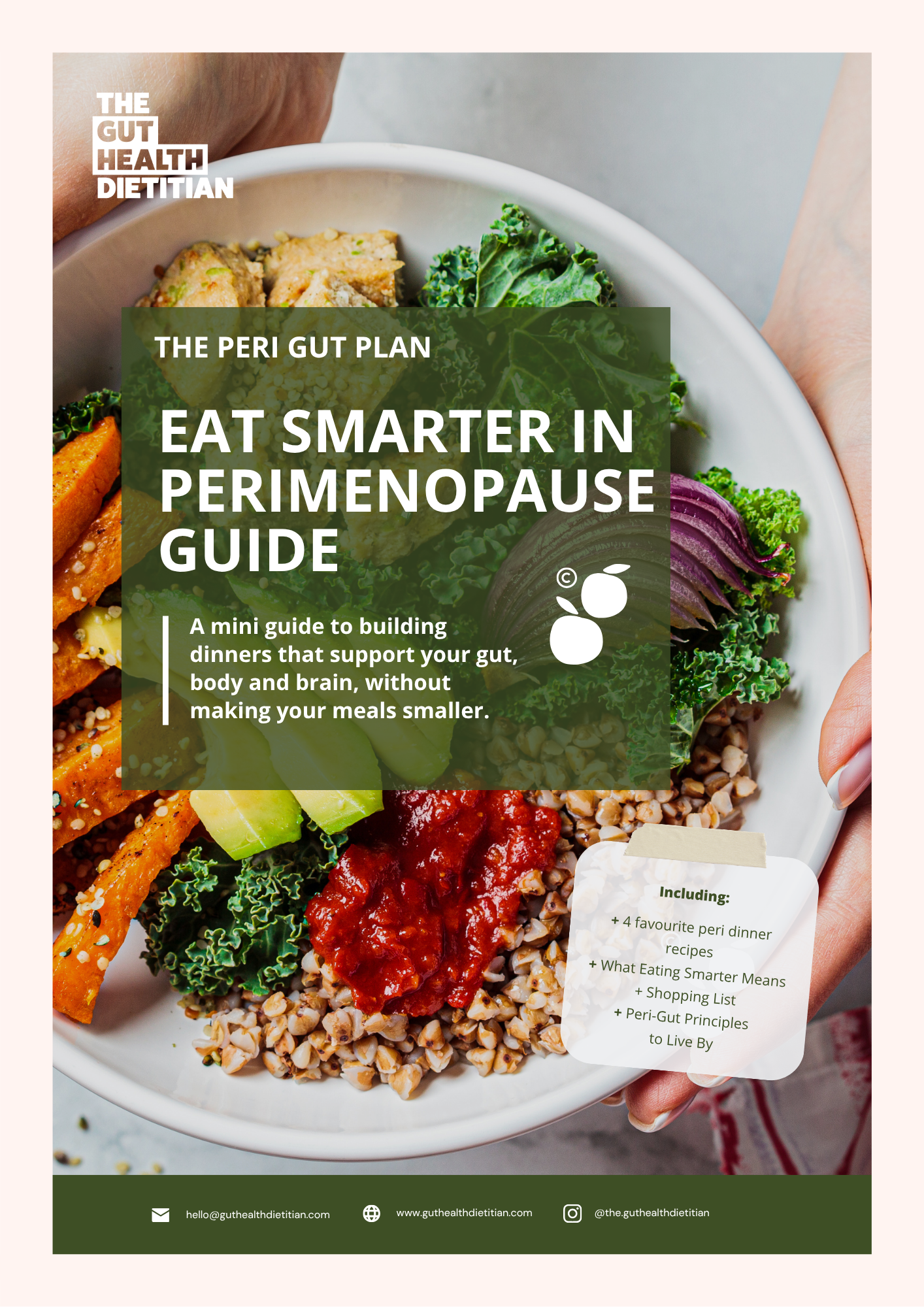
Thinking about how alcohol fits into your gut health during perimenopause? This might help.
Eat Smarter in Perimenopause A free mini guide to building dinners that support your gut, body and brain, without cutting things out or overhauling your whole diet.
You'll get the 4-part dinner formula I use inside The Peri Gut Plan, plus 4 easy dinners to try this week.
GET THE FREE GUIDE
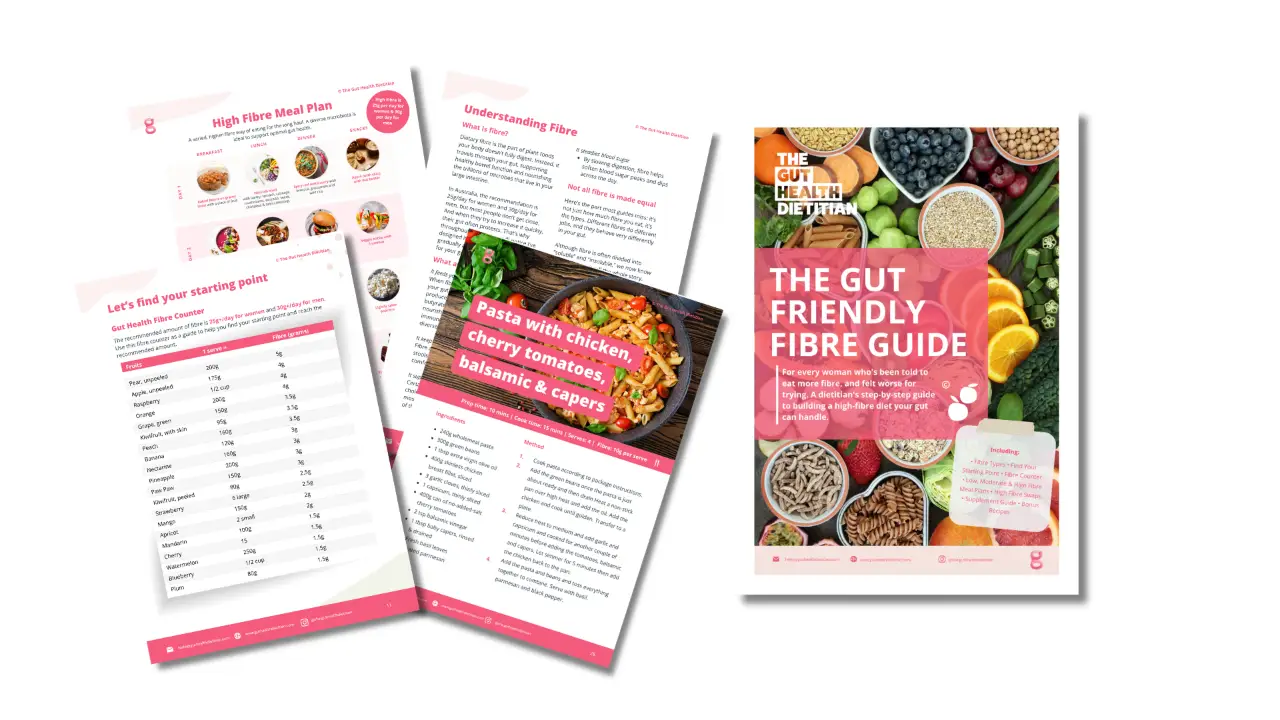
THE GUT FRIENDLY FIBRE GUIDE
An evidence-based guide for women to eat more fibre without making their gut feel worse
If eating more fibre has ever left you feeling worse, fibre probably wasn’t the problem. More likely, your gut just needed you to go slower.
This guide is based on the approach I use with women who want to eat more fibre without making their gut feel worse. We start with where you are now, then build from there slowly enough that your gut can keep up.
It’s food-first, weight-neutral and evidence-based, created by me and my team of Accredited Practising Dietitians.