Bowel Health Hacks
As it's Bowel Cancer Awareness Month, it's a good opportunity to talk about what actions you can take today when it comes to your nutrition and bowel health. We've spent the last few weeks talking about risk factors and screening, but what does this look like on your plate?
While there's no single food that prevents bowel cancer, decades of research point to a clear pattern. Diets rich in fibre, wholegrains, legumes, fruits and vegetables are associated with better bowel health and a lower risk of bowel cancer over time.
Here are some practical bowel health habits that reflect what the evidence actually shows: what to include more of, and what to keep in check.
Feed Your Gut Bugs More Fibre
Most adults fall well short of the recommended 25-30g of fibre per day.
This matters because fibre isn't just roughage. It's food for your gut microbes.
When bacteria in your large intestine ferment some fibres, they produce compounds called short-chain fatty acids, including butyrate. Butyrate is the preferred fuel source for the cells lining your colon and helps maintain a healthy bowel environment.
This is why fibre is one of the most consistently studied dietary factors in bowel health research. Studies suggest that people with the highest fibre intakes have around 10-25% lower risk of colorectal cancer compared with those with the lowest intake.
A diet low in fibre means less fuel for beneficial gut bacteria and lower production of these protective compounds. Fibre also helps add bulk to stool and supports regular bowel movements, reducing the amount of time waste products remain in contact with the bowel lining.
Some ways to increase your intake include adding oats to breakfast, adding a piece of fruit as a snack, and/or including legumes a few times per week (like mixing them into your favourite dishes: think bolognese with added lentils). If constipation is an issue, foods such as green kiwifruit, prunes, psyllium and soluble fibres like oats and chia have some of the strongest evidence behind them for improving bowel regularity.
Vitamin D is another nutrient being explored in bowel health research. It’s mainly made in the skin through sunlight exposure, but can also be obtained from foods like oily fish or supplements. Some studies suggest that higher vitamin D levels may be associated with a lower risk of bowel cancer, although findings are not fully consistent. Regardless, maintaining adequate vitamin D is important for overall health, including immune and bone health.
Think Diversity, Not Perfection
One of the most fascinating things we've learned about the microbiome is that different gut microbes thrive on different plant foods (research points to 30 or more plants per week, but we don't recommend stressing about a particular number)! Essentially, this means eating the same apple, banana and carrot every day isn't quite the same as exposing your gut to a wide variety of fibres and plant compounds.
An easy place to start is with the foods you're already buying.
Choose mixed frozen berries instead of a single fruit. Buy a mixed bean blend rather than one type of bean. Pick up a salad mix instead of a single lettuce variety. Add one seasonal fruit or vegetable to your trolley each week. Small changes like these can increase the diversity of nutrients reaching your gut microbes without adding any extra effort.
Build a Gut-Friendly Plate
One of the easiest ways to put this research into practice is to think less about individual foods and more about the overall composition of your meals.
Inside our Peri Gut Plan, we encourage women to build meals around a simple framework:
- 20-30g of protein
- 7-10g of fibre
- 2-3 different plant colours
- A source of healthy fats
Why?
Because this framework naturally increases many of the foods associated with better bowel health. Fibre-rich foods such as oats, whole grains, legumes, fruits and vegetables help feed beneficial gut bacteria and support regular bowel motions. Including different plant colours increases exposure to a wider range of fibres and polyphenols, while protective fats from foods like nuts, seeds and extra virgin olive oil help create satisfying, balanced meals.
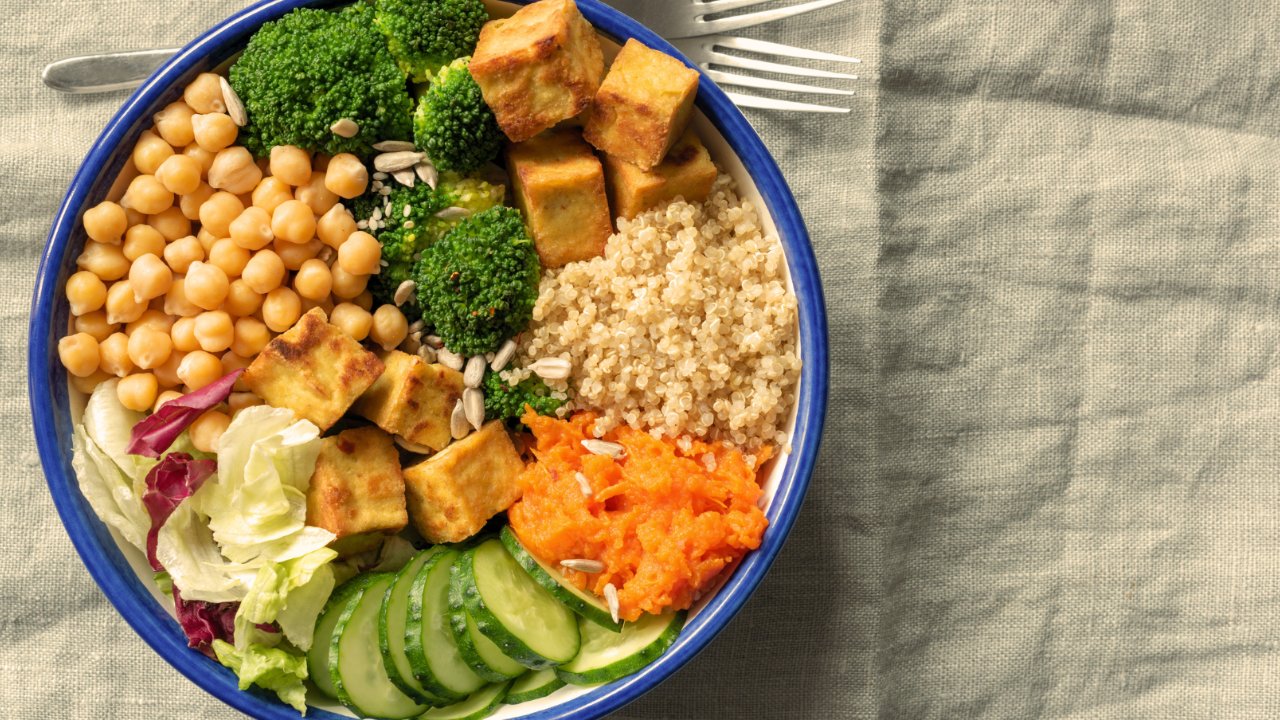
For example, a gut-friendly breakfast might look like Greek yoghurt topped with mixed berries, chia seeds and oats. Lunch could be a grain bowl with mixed salad leaves, roasted vegetables and chickpeas. Neither meal is complicated, but both provide fibre, plant diversity and fuel for your gut microbes.
What about alcohol and red meat?
While much of bowel health is about what we add, there are a few dietary factors where the evidence for limiting intake is strong.
Alcohol is one of them. When alcohol is broken down in the body, it produces acetaldehyde, a compound that can damage cells and impair their ability to repair. Over time, this may increase cancer risk, including bowel cancer. For bowel cancer risk, the total amount of alcohol consumed appears to matter more than the type of drink or drinking pattern.
Red and processed meats are another. Red meat refers to beef, lamb and pork, while processed meats include products such as bacon, ham, sausages and salami. Large studies consistently show that higher intakes are associated with a modest increase in colorectal cancer risk, thought to be due to compounds formed during processing and high-temperature cooking.
This doesn’t mean these foods need to be eliminated, but it does mean they’re best viewed as occasional rather than everyday staples, particularly when the goal is long-term bowel health.
A Final Word
When it comes to bowel health, there isn't a single food or supplement that does the heavy lifting. Instead, the evidence points to a pattern: more fibre, more plant foods, more variety and more foods that nourish your gut microbes.
This Bowel Cancer Awareness Month, rather than focusing on what to remove from your plate, ask yourself: What could I add?
Fibre is one of the most consistent, evidence-backed tools for bowel health, so where do you actually stand?
FREE Gut Health Dietitian Fibre Counter See how much fibre you're really getting from the foods you already eat, and find the easy swaps that help fill the gaps.
Get My Free Fibre Counter
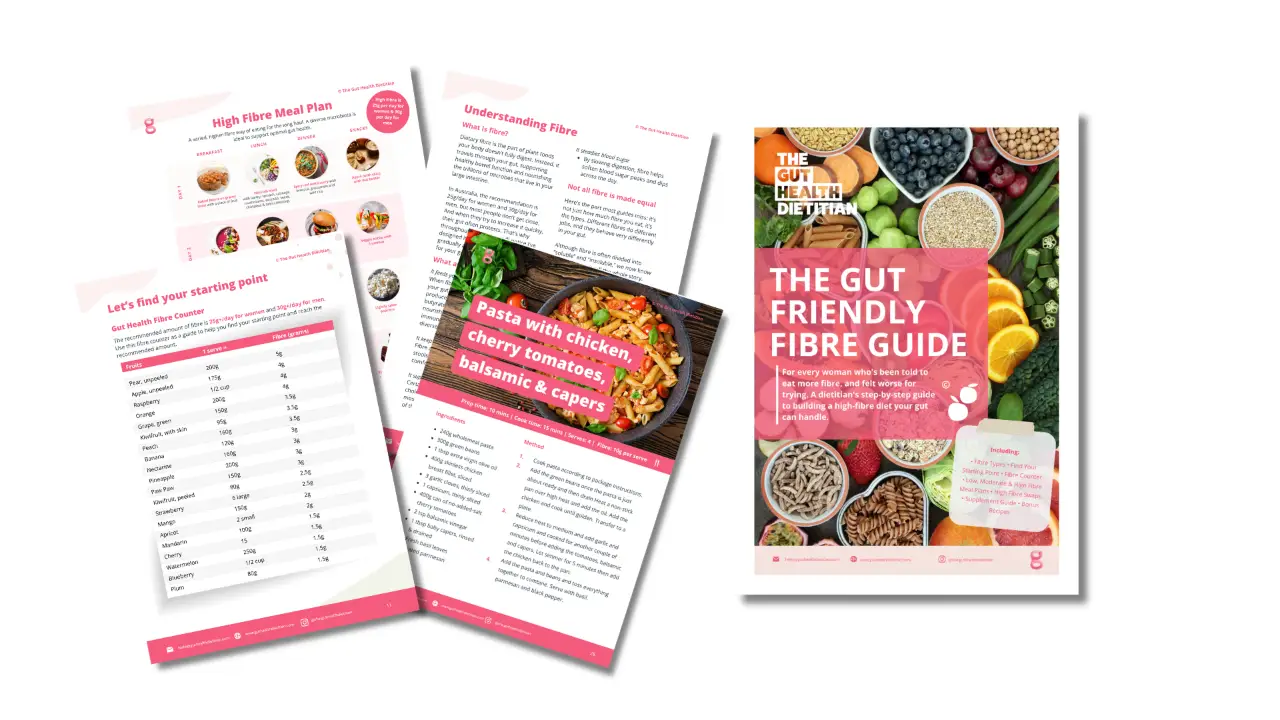
THE GUT FRIENDLY FIBRE GUIDE
An evidence-based guide for women to eat more fibre without making their gut feel worse
If eating more fibre has ever left you feeling worse, fibre probably wasn’t the problem. More likely, your gut just needed you to go slower.
This guide is based on the approach I use with women who want to eat more fibre without making their gut feel worse. We start with where you are now, then build from there slowly enough that your gut can keep up.
It’s food-first, weight-neutral and evidence-based, created by me and my team of Accredited Practising Dietitians.