5 Foods for Brain Health That Your Gut Will Love
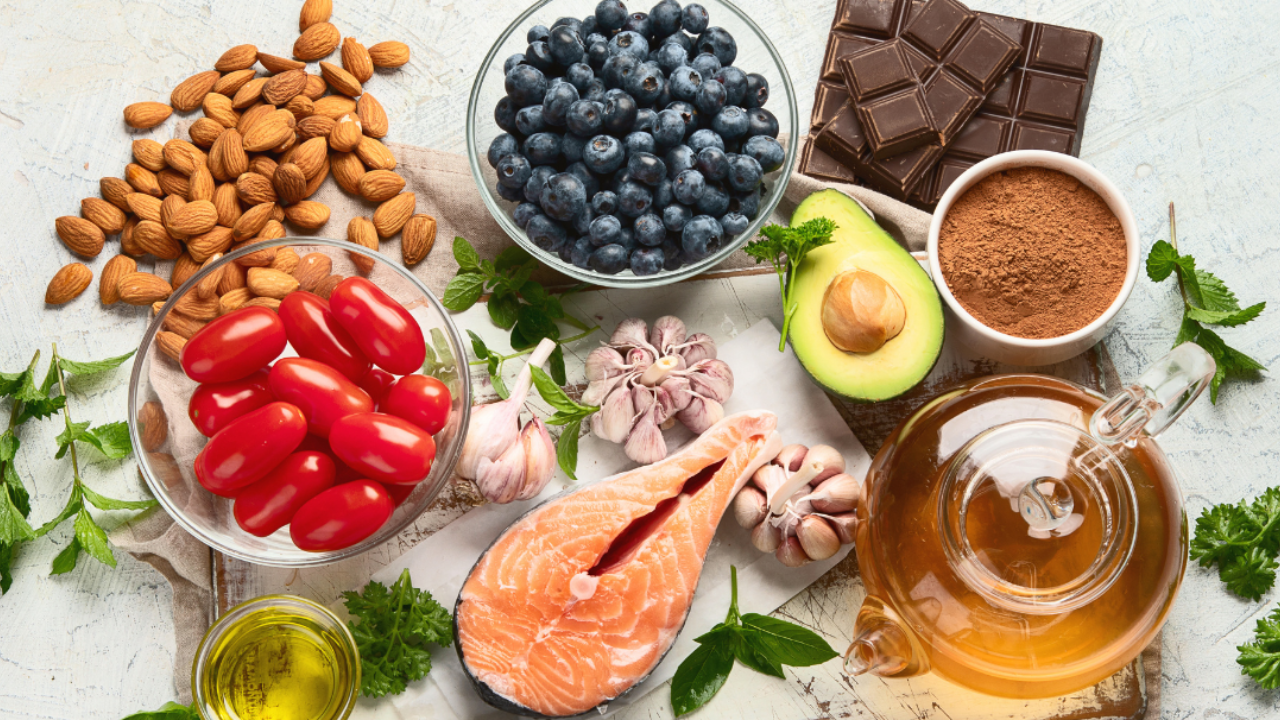
What do blueberries, beans and walnuts have in common? They might seem like everyday foods, but each contains nutrients and plant compounds being studied for their role in brain health, gut health and healthy ageing.
Your gut and brain are in constant communication through a network of nerves, hormones and chemical signals. The trillions of microbes living in your gut are part of this conversation, too. What you eat helps shape these microbes, which is one reason a varied diet rich in fibre and plant foods is worth paying attention to.
There’s no magic ingredient for good mental wellbeing or a guarantee against cognitive decline. But some foods offer particularly interesting benefits for your gut and brain, and they’re easier to include in your week than you might think.
Here are five foods for brain health that also support a healthy gut, plus simple ways to enjoy them.
Want to explore the food and mood connection further? Read our previous blog, Can What You Eat Really Affect Your Mood?
1. Berries: Colourful Food for Thought
Blueberries often get the spotlight when it comes to brain health. Their deep blue colour comes from plant compounds called anthocyanins, which belong to a larger group known as polyphenols.
Researchers are exploring how these compounds may influence processes involved in memory, brain function and healthy ageing. They’re also interested in how polyphenols interact with gut microbes, although we’re still learning what these interactions mean for our health.
And it doesn’t have to be blueberries. Strawberries, raspberries and blackberries all provide fibre and their own mix of beneficial plant compounds.
Easy ways to enjoy them: Stir frozen berries through porridge, add them to yoghurt with nuts and seeds, or blend them into a smoothie. Frozen berries are convenient, last longer and can be just as nutritious as fresh.
2. Beans: Feeding the Microbes in Your Gut
Your gut microbes need food, too. One of their favourite sources is fibre, particularly the types found in beans, lentils and chickpeas.
Some of this fibre travels through your digestive tract without being fully broken down by your own digestive enzymes. When gut microbes ferment it, they produce substances called short-chain fatty acids. These help support the gut environment, and researchers are exploring how processes like these may contribute to communication between the gut and brain.
Beans also provide plant protein, folate and minerals, making them a useful addition to meals beyond their fibre content.
If legumes tend to leave you feeling bloated, you don’t necessarily need to avoid them altogether. Your tolerance will depend on the type and amount you eat, so starting with smaller serves and increasing gradually may help.
Easy ways to enjoy them: Add lentils to bolognese, chickpeas to a roast vegetable salad, or beans to tacos and soups. Tinned legumes are convenient, and rinsing them before use can help reduce some of the carbohydrates that may contribute to gas.
3. Oily Fish: Why Your Brain Needs Healthy Fats
Your brain contains a lot of fat, and some fats are important building blocks for its cells. One of these is DHA, a long-chain omega-3 fat found in oily fish such as salmon, sardines, trout and mackerel.
DHA is an important component of brain cell membranes, helping maintain their structure and function. Oily fish also provides EPA, another omega-3 fat, as well as protein and vitamin B12.
Eating oily fish is a practical way to include these nutrients in your diet. While research into omega-3 fats and mental health is ongoing, oily fish remains a valuable part of a balanced eating pattern.
Easy ways to enjoy it: Keep tinned sardines or salmon in the pantry for quick lunches. Add them to toast, pasta or rice bowls, or bake salmon with lemon and herbs for dinner. If you don’t eat fish, walnuts, chia seeds and linseeds provide plant-based omega-3 fat called ALA, although the body converts only a small amount into DHA and EPA.
4. Leafy Greens: A Simple Habit for Healthy Ageing
Spinach, kale and silverbeet might not seem particularly exciting, but they provide a useful combination of fibre, folate, vitamin K and other plant compounds.
They also feature prominently in the MIND diet, an eating pattern developed by researchers interested in nutrition and brain ageing. The MIND diet combines elements of the Mediterranean and DASH diets, with an emphasis on foods such as leafy greens, berries, wholegrains, legumes, nuts and fish.
Studies have linked this type of eating pattern with a lower risk of dementia, although findings are mixed and it hasn’t been established that the diet itself prevents dementia. The bigger takeaway is that healthy ageing is unlikely to come down to one particular food. The overall eating pattern matters.
And leafy greens don’t have to mean another salad.
Easy ways to enjoy them: Stir baby spinach through pasta just before serving, add silverbeet to soup, mix greens into scrambled eggs or omelettes, or blend a handful into a smoothie. Frozen spinach is handy to keep on hand for busy nights.
5. Walnuts: An Easy Way to Add Healthy Fats
Walnuts provide unsaturated fats, fibre and plant-based omega-3 fat. They also contain polyphenols, which are being studied for their potential health effects.
Nuts feature in dietary patterns associated with healthy ageing, including the Mediterranean and MIND diets. However, it’s difficult to separate the contribution of any one food from the many other foods and lifestyle factors that make up these patterns.
Their everyday appeal is simple: walnuts are easy to store, require no preparation and can add crunch and flavour to foods you already enjoy.
Easy ways to enjoy them: Sprinkle chopped walnuts over porridge or yoghurt, toss them through a salad, add them to homemade muesli or blend them into pesto. For an easy snack, pair a small handful with a piece of fruit.
An Honourable Mention: Dark Chocolate
And yes, dark chocolate can have a place, too.
Dark chocolate contains cocoa flavanols, plant compounds that have been studied for their effects on blood vessel function and blood flow. So enjoy it because you like it, rather than feeling you need to choose a particular cocoa percentage for your brain. A few squares alongside a cup of tea or stirred through a homemade snack can have a place in an enjoyable, balanced way of eating.
How to Eat for Better Gut and Brain Health
The common thread between these foods isn’t that they’re superfoods or that you need to eat every one of them daily. It’s that they offer different things: fibre to nourish your gut microbes, healthy fats, and a range of vitamins and plant compounds.
Wholegrains such as oats, barley and wholegrain bread belong in the picture, too. Along with beans, fruit, vegetables, nuts and seeds, they help build the variety of plant foods that support a healthy gut.
You don’t need to overhaul your diet to get started. Add berries to a breakfast you already enjoy, stir lentils into your usual bolognese, or keep walnuts handy for an afternoon snack. Small additions can be easier to maintain than trying to change everything at once.
And remember, nutrition is one part of mental wellbeing, alongside sleep, movement, social connection, stress management and getting support when you need it.
Doing everything 'right' and your gut still isn't happy?
You asked for it, so I'm putting it together.
Fibre for Grumpy Guts is coming.
Maybe you’re having oats for breakfast, seeds on everything and plenty of veg, and you’re still bloated or waiting for a decent poo. Maybe you added more fibre because everyone said it would help, and you felt worse. Or you’ve cut out onion, garlic, bread and beans and you’re still not comfortable.
Often the trouble isn’t fibre itself. It’s the mix of fibre types, how much, and the order you add them in.
Imagine easier poos, less bloating, and enjoying more of the foods you love.
That’s what my new mini course will help you with: which fibre to start with, how much and when, and how to build up from there.
Grab my free Fibre for Grumpy Guts starter guide and I’ll add you to the waitlist too. Waitlist members get first access on Wednesday 11 November and the founding price of $37 for 3 days only, plus two live check-ins with me. After that, it’s $57 for everyone.
And follow @the.guthealthdietitian on Instagram for more fibre tips while I finish it.
You are signing-up for notification ONLY by completing this form. No tricky stuff! We promise never to spam you.