It's Not Just What We Eat: How We Eat Matters Too
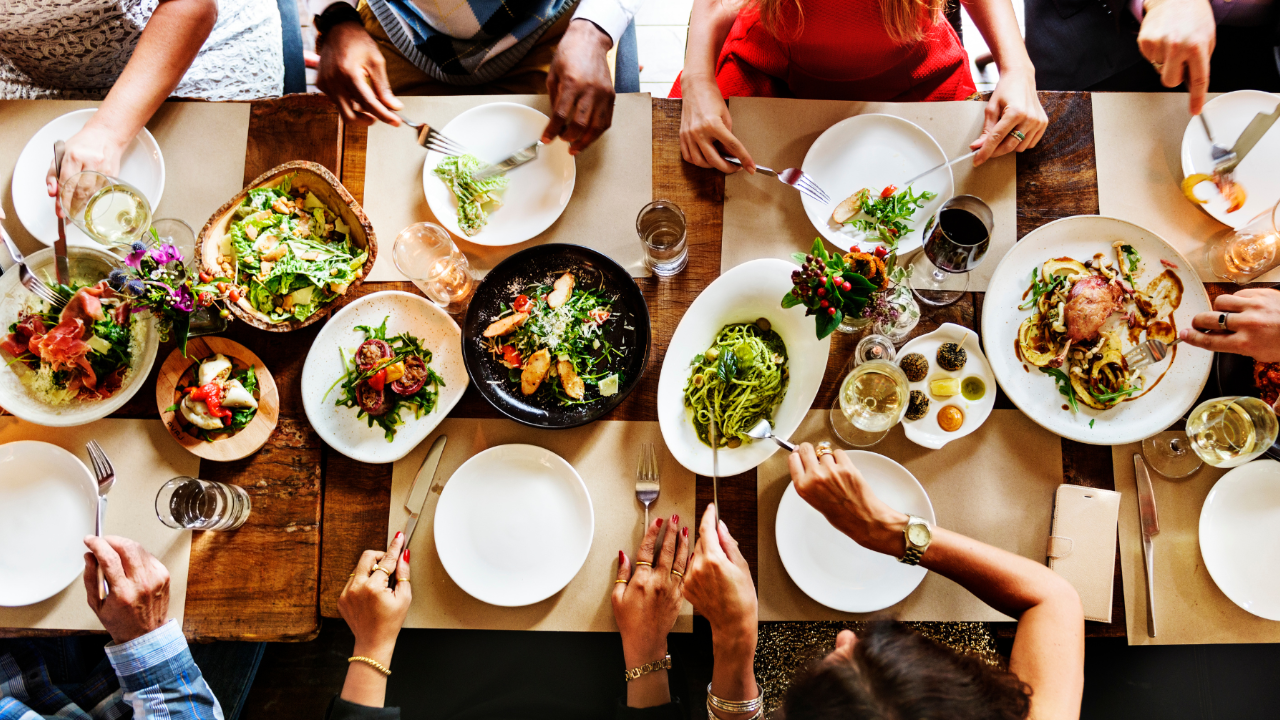
When we talk about food and mental health, we usually focus on what's on the plate. But how we eat matters too, and the Mediterranean diet is a great example.
In our last blog, we talked about how the foods in a Mediterranean-style eating pattern, including a wide variety of nutrient-rich foods and healthy fats, are associated with better mental wellbeing. If you missed it, read how the Mediterranean diet can support your mental health.
But traditionally, the Mediterranean diet is about much more than the foods on your plate. Meals are an opportunity to slow down, share food and spend time with other people. Eating is part of social life, rather than something that always happens quickly and separately from everything else.
This social side of eating is increasingly being recognised as an important part of the Mediterranean way of life. Recent research has highlighted the often-overlooked role of conviviality, or the enjoyment of eating and sharing food with others, suggesting these social aspects of eating may contribute to some of the wellbeing benefits associated with healthy dietary patterns.
And that matters when we think about mental wellbeing.
Sharing a meal gives us an opportunity to connect. It might be catching up with a friend over lunch, sitting around the dinner table with your family, or simply taking the time to enjoy a meal with someone rather than eating at your desk.
The food itself might not change, but the experience can.
Why social connection matters for mental health
This year's Australian theme for World Mental Health Day is Together We Thrive, highlighting the importance of connection, conversations and looking out for one another. It's a timely reminder that supporting our mental wellbeing isn't only about the things we do on our own. The people around us, and the quality of our connections, matter too.
There's good reason to pay attention to this. The World Health Organization now recognises social connection as an important part of health and wellbeing, with research linking loneliness and social isolation to poorer mental health and quality of life.
And food can be one of the simplest ways to create more of those moments.
10 easy ways to make eating more social
You don't need to host a dinner party or completely change your routine. Look for small opportunities to bring a little more connection into the way you eat:
- Make lunch a catch-up: instead of eating at your desk, ask a colleague to grab lunch, or sit together for 10 minutes.
- Cook with someone: put on some music and prepare dinner with your partner, kids, housemate or a friend.
- Share the cooking: take turns cooking dinner with a friend or family member, or make a meal together over the weekend.
- Invite someone over for an easy meal: it doesn't have to be fancy. Pasta, tacos, homemade pizza or a grazing-style dinner like our DIY Mediterranean Flatbreads can be just as enjoyable.
- Turn coffee into a proper catch-up: meet a friend for coffee and a snack, rather than sending another text to say "We should catch up soon!"
- Eat together at home: if everyone usually eats at different times, try sitting down for one meal together when you can.
- Share something you've made: bake a batch of muffins, make a dip or prepare a big salad, and share it with a neighbour, friend or colleague.
- Pick a regular food ritual: Sunday breakfast, Friday night takeaway or a midweek coffee can become an easy way to stay connected.
- Reach out while you cook: if you're making dinner alone, call a friend or family member while you chop, stir and prep.
- Make meals a little more present: put your phone away, sit down, and give yourself time to enjoy the food and the company around you.
These moments might seem small, but they give us time to pause and connect. They also create opportunities to check in with someone, have a conversation and notice how they're really going.
Eating alone can be good for you too
Of course, not every meal needs to be shared, and enjoying a meal on your own can be a lovely way to slow down. The point isn't to add more pressure to your eating routine. It's about recognising that food can be about more than nutrition.
When we eat, we're also creating experiences, routines and opportunities for connection. The Mediterranean approach is a good reminder of this, because its principles go beyond which foods are included, to the way food fits into everyday life.
So if you're looking for ways to support your mental wellbeing, don't only think about what you could put on your plate. Think about how you could make a little more time to enjoy it, and who you could share it with.
The bottom line: how we eat matters too
Our mental wellbeing is influenced by many different parts of our lives, and food can play an important role. But eating well isn't only about choosing nutritious foods. It's also about how we eat, the enjoyment we get from food, and the people we share it with.
This week, why not use food as an opportunity to connect? Invite someone for coffee, share a meal, sit down with your family, or reach out to a friend you haven't spoken to in a while. A little connection can go a long way.
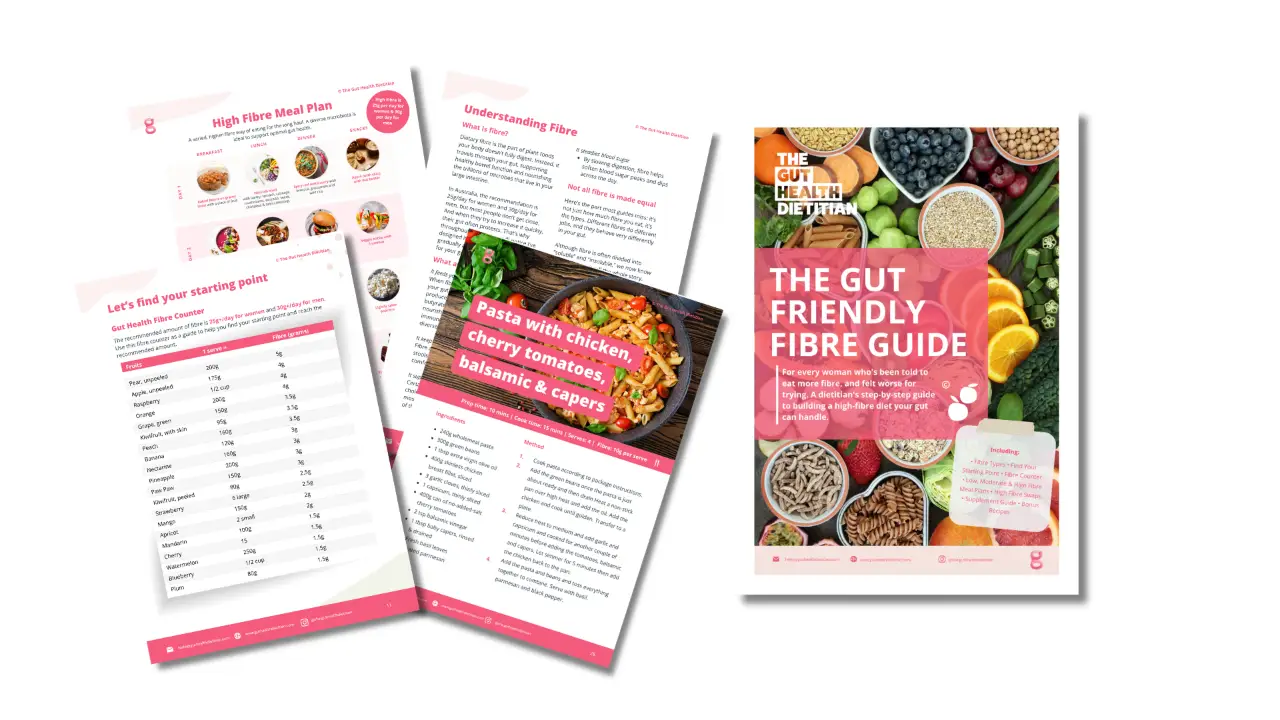
THE GUT FRIENDLY FIBRE GUIDE
An evidence-based guide for women to eat more fibre without making their gut feel worse
If eating more fibre has ever left you feeling worse, fibre probably wasn’t the problem. More likely, your gut just needed you to go slower.
This guide is based on the approach I use with women who want to eat more fibre without making their gut feel worse. We start with where you are now, then build from there slowly enough that your gut can keep up.
It’s food-first, weight-neutral and evidence-based, created by me and my team of Accredited Practising Dietitians.