Beyond Fibre: The Other Habits Your Bowels Love
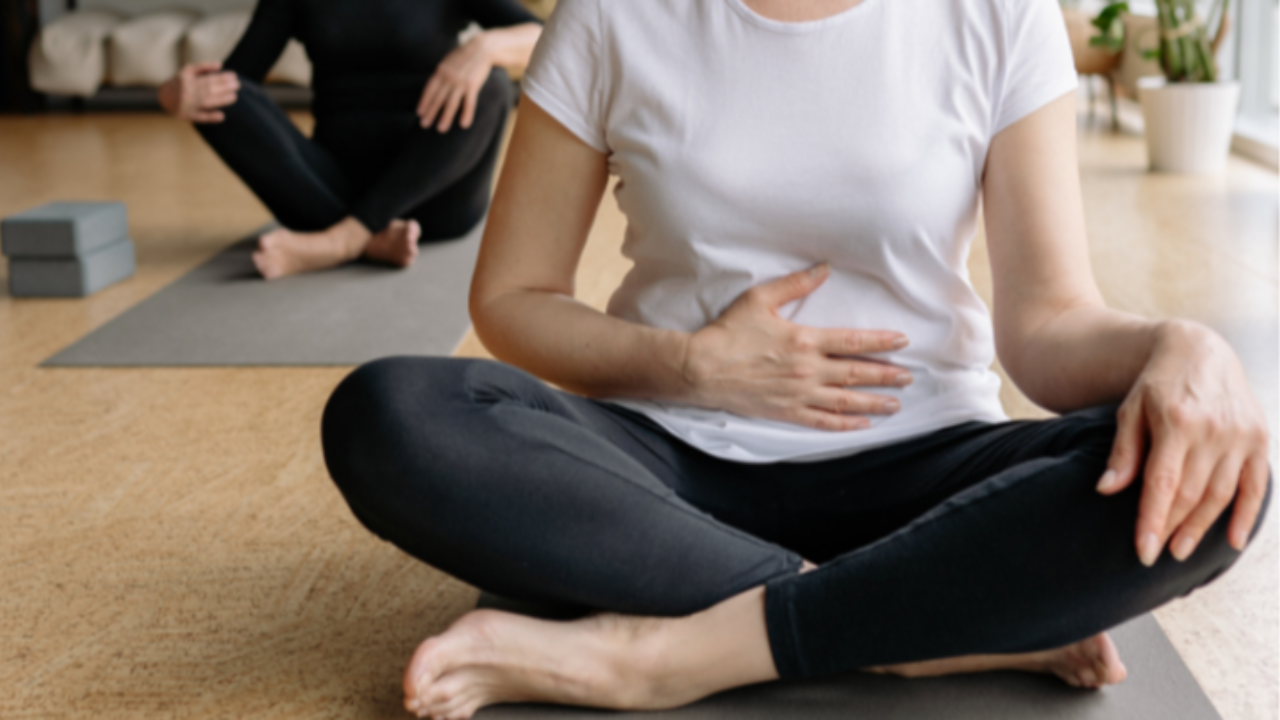
Over the past few weeks, we've explored bowel cancer awareness, signs and symptoms to look out for, and the role nutrition plays in supporting bowel health. But healthy bowels aren't built on fibre alone. Your digestive system is influenced by everything from your sleep and stress levels to how you sit on the toilet. While these habits may seem small, they can have a surprisingly big impact on how your gut functions day to day. Here are some other things that you can do to support your bowel health.
Get Moving
Regular movement helps stimulate the muscles of the digestive tract, encouraging food and waste to move through the bowel more efficiently.
You don't need intense exercise to reap the benefits, research shows that walking can be beneficial for support bowel regularity.
Aiming for 150 minutes per week and regular 20-30 minute sessions has been found to be associated with lower odds of constipation, and may improve gut motility within 1-2 minutes after exercise. You can also try including a strength training session, yoga class, or even regular movement breaks throughout the day which can all support healthy bowel function.
Don't Ignore the Urge
If you've ever put off going to the toilet because we're busy, at work, or simply don't want to use a public bathroom, take this as your gentle reminder that this can affect bowel habits.
Repeatedly ignoring the urge to go can contribute to constipation over time, and doing so repeatedly can reinforce stool-withholding patterns over time. When your body signals that it's time, try to listen.
Put Your Feet Up
Raising your feet on a small stool helps mimic a squatting position. Posture changes the anorectal angle, which can make stool passage require less straining. Studies and reviews report that squatting can help reduce effort and shorten the time to a feeling of complete emptying compared with standard sitting.
Sometimes a simple footstool can make a noticeable difference.
Hydration Matters
Fibre and water work as a team. Without enough fluid, fibre can't do its job effectively and stools can become harder and more difficult to pass.
Aim to drink regularly throughout the day, and remember that your fluid needs may increase during warmer weather or when you're exercising.
Stress Less for Better Digestion
Your gut and brain are constantly communicating through the gut-brain axis. When you're stressed, digestion often takes a back seat.
Chronic stress may contribute to symptoms such as bloating, abdominal discomfort, altered bowel habits and increased gut sensitivity.
Simple strategies such as deep breathing, mindfulness, gentle movement or taking a few minutes to slow down can help support both your mind and your gut.
Give Yourself Time in the Morning
Many people rush out the door each morning without giving their body a chance to fully wake up.
After breakfast, your digestive system naturally becomes more active through something called the gastrocolic reflex, a normal response that stimulates movement in the bowel after eating. Colonic activity tends to peak after waking and after meals, and the gastrocolic reflex increases colonic motility within minutes of eating.
Instead of rushing, try allowing a little extra time in the morning to eat, hydrate and respond to any natural urges to open your bowels.
Your Gut Works While You Rest
Between meals, your digestive system performs a housekeeping process known as the migrating motor complex (MMC), which is essentially a cyclic fasting motility pattern in the stomach and small bowel. This helps clear residual food and bacteria through the digestive tract.
Allowing gaps between meals and snacks (rather than grazing on snacks) may help support these natural digestive processes.
A Final Word
Bowel health is about more than just what you eat. Movement, sleep, hydration, stress management and responding to your body's natural signals all play an important role. Small, consistent habits can make a meaningful difference over time, and your gut will thank you for it.
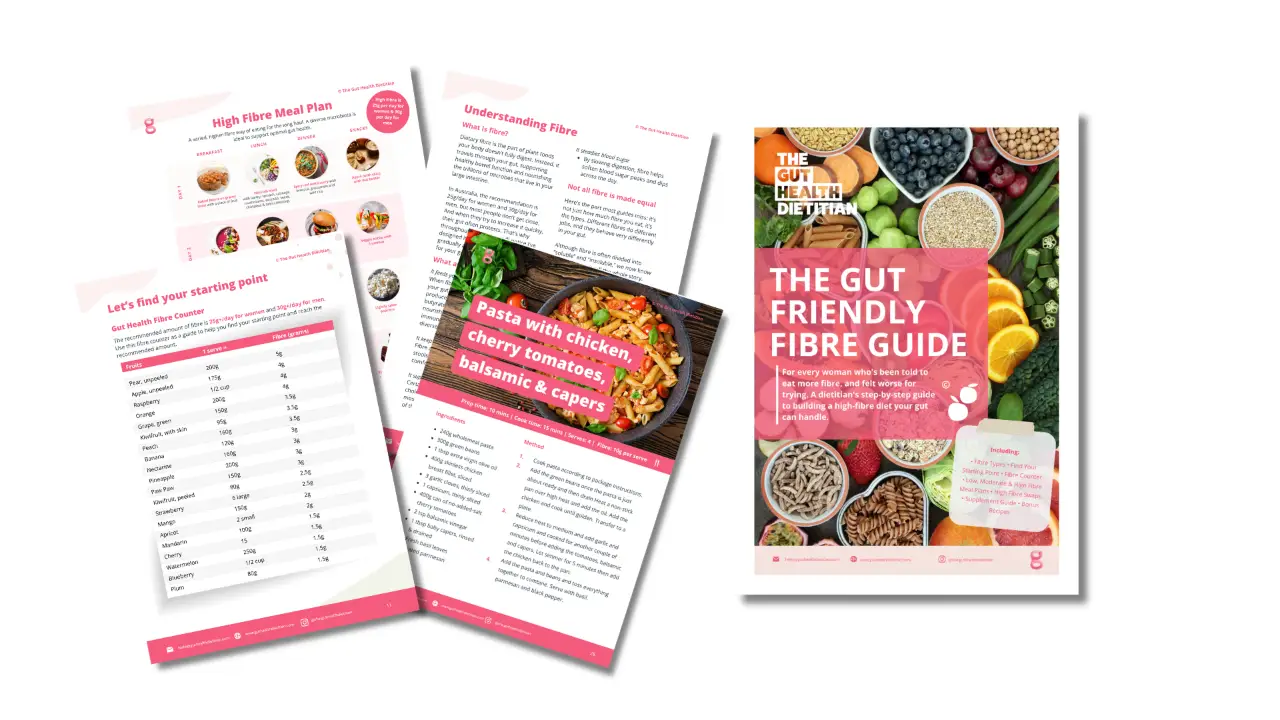
THE GUT FRIENDLY FIBRE GUIDE
An evidence-based guide for women to eat more fibre without making their gut feel worse
If eating more fibre has ever left you feeling worse, fibre probably wasn’t the problem. More likely, your gut just needed you to go slower.
This guide is based on the approach I use with women who want to eat more fibre without making their gut feel worse. We start with where you are now, then build from there slowly enough that your gut can keep up.
It’s food-first, weight-neutral and evidence-based, created by me and my team of Accredited Practising Dietitians.