Meal Planning Made Simple: A Stress‑Saving Guide
For many of us, especially those navigating work, family, and the invisible mental load, meal planning can feel like one more chore on an already overflowing list. We hear it all the time: “I know meal planning would help… I just don’t have the time.”
But the truth is, when life is busy, you can’t afford not to meal plan. Meal planning doesn’t add stress. It removes it.
Imagine coming home after a long day and knowing exactly what’s for dinner. The ingredients are already in your fridge. Maybe some chopping or cooking is already done. There’s no last‑minute dash to the shops, no standing in front of the fridge wondering what to make, and no defaulting to takeaway because you’re exhausted.
Meal planning turns food from a daily stressor into a weekly support system.
Why Meal Planning is worth it
Meal planning is one of the simplest ways to reduce decision fatigue. Something that becomes even more important during perimenopause, when hormonal changes can affect energy, appetite, and mental clarity. When you plan ahead, you make fewer last‑minute food decisions, and those decisions tend to be more nourishing, more balanced, and more supportive of your gut health.
Planning also helps you eat more fibre, reduce food waste, save money, and feel more organised throughout the week. It’s all about creating a routine that makes eating well easier.
Two Scenarios That Show the Difference
Picture this:
In the first scenario, you haven’t planned anything. You come home tired, realise you’re missing ingredients, and end up throwing together whatever’s in the pantry: often something quick, repetitive, and low in fibre. Or you head to the shops, which eats into your evening. Or you order takeaway because it’s the easiest option. Meals feel rushed, unbalanced, and more expensive.
In the second scenario, you know exactly what you’re cooking. The ingredients are already in your fridge, and perhaps some prep is done. Dinner becomes simple, predictable, and nourishing. You spend less time thinking, less time shopping, and more time relaxing.
When you look at it like this, you can probably see how one scenario drains your energy and the other gives it back.
How Meal Planning Supports Gut Health
Planning ahead naturally increases fibre, variety, and balanced meals, all essential for a thriving microbiome. When you know what you’re cooking, you’re more likely to include vegetables, legumes, wholegrains, and diverse plant foods. You’re also less likely to rely on “emergency meals” that leave you feeling sluggish or bloated.
Let's get into our stress-saving tips to help you get started!
A Simple Way to Start
The easiest place to begin is by gathering your favourite recipes in one place. This could be a folder, a bookmarked list on your phone, or printed recipes on the fridge. Every time you cook something you love, add it to your collection. Over time, this becomes your personal library of go‑to meals.
Choose a consistent time each week to write your plan. It doesn’t need to be long, even ten minutes is enough. Focus only on the meals that cause the most stress. For many women, this is weeknight dinners or work‑friendly lunches.
If you find yourself staring at a blank page, theme nights can help. Meatless Monday, Taco Tuesday, Traybake Thursday, Fish Friday: these simple anchors reduce decision fatigue and make planning feel fun rather than overwhelming. They also encourage variety, which is great for your gut microbiome.
If you’re new to meal planning, start small. Plan two or three meals and build from there. The goal is consistency, not perfection.
The 10‑Minute Meal Plan
If meal planning feels overwhelming, try this quick method. Set a timer for ten minutes and follow these steps:
Look at your calendar for the week and note your busiest nights. Choose three dinners you know you enjoy and can make easily. Pick one lunch option you can repeat. Add one breakfast and one snack you love. Then write a short shopping list based only on those meals.
Ten minutes is all it takes to create a plan that saves you hours.
Making Meal Prep Easier
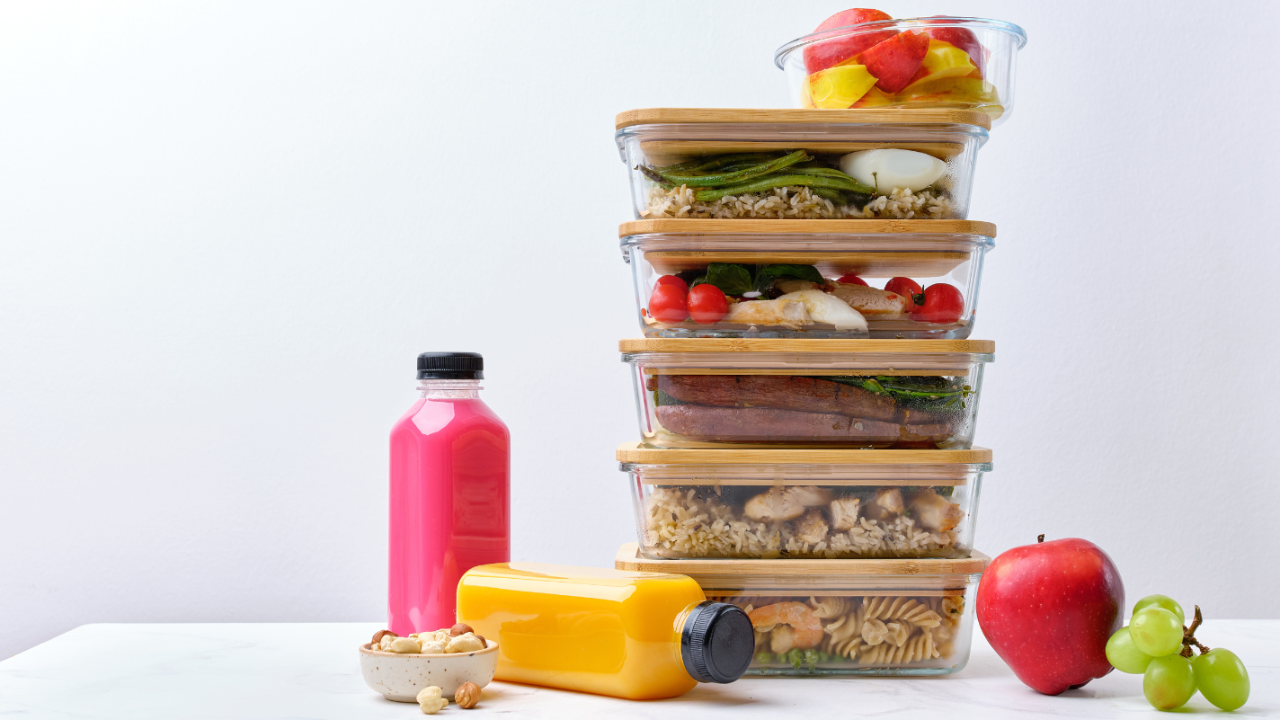
Meal prep doesn’t need to be a full Sunday session. In fact, most women find it more sustainable to prep just one thing. That might be chopping vegetables, cooking a grain, making a soup, or baking a batch of muffins. One small task can make the whole week feel easier.
Seasonal produce also helps. It’s cheaper, fresher, and naturally boosts fibre diversity. Spring favourites include asparagus, peas, leafy greens, berries, zucchini, and fresh herbs. When you plan around what’s in season, meals feel more vibrant and more affordable.
The Mix‑and‑Match Method
If your appetite changes day‑to‑day (very common in perimenopause), try prepping components instead of full meals. Cook one protein, one grain, one vegetable, and one sauce. Then mix and match across the week.
For example: grilled chicken + quinoa + roasted zucchini + pesto. These components can become bowls, wraps, salads, or quick dinners without feeling repetitive.
Create a “Use‑Me‑First” Shelf
Choose one shelf in your fridge or pantry for ingredients that need to be used soon: half a capsicum, leftover herbs, open tins, cooked grains. When you’re planning meals or cooking dinner, check this shelf first. It keeps ingredients visible, reduces waste, and helps you build meals around what you already have.
Cook Once, Eat Twice
When you’re already cooking, double the recipe or make extra components. Tonight’s roast vegetables become tomorrow’s salad. A batch of lentil soup becomes lunches for two days. This simple habit cuts cooking time in half and makes healthy choices automatic.
Keep 3‑Ingredient Safety Meals on Hand
These are quick meals you can make anytime with pantry staples. They’re not fancy, they’re reliable. Think wholegrain pasta with pesto and frozen peas, eggs with spinach and toast, or tinned salmon with microwave rice and frozen vegetables.
Safety meals prevent last‑minute takeaway and keep your week on track.
A Sample Weekly Plan
Here’s a simple, balanced week using theme nights:
Mon: Lentil dhal with greens Tue: Black bean tacos with salsa Wed: Pesto pasta with peas and spinach Thu: Homemade veggie pizza Fri: One‑tray salmon with potatoes and broccoli Sat: Chicken salad bowls Sun: Slow cooker minestrone (leftovers for lunches)
A Final Word
Meal planning doesn’t need to be complicated. It’s simply a tool that helps you feel more organised, more nourished, and more in control of your week.
And remember: meal planning is a guide. Life happens! Plans change, energy dips, kids get sick, meetings run late. A flexible plan is still a successful plan. The goal is to make your week easier, not perfect.
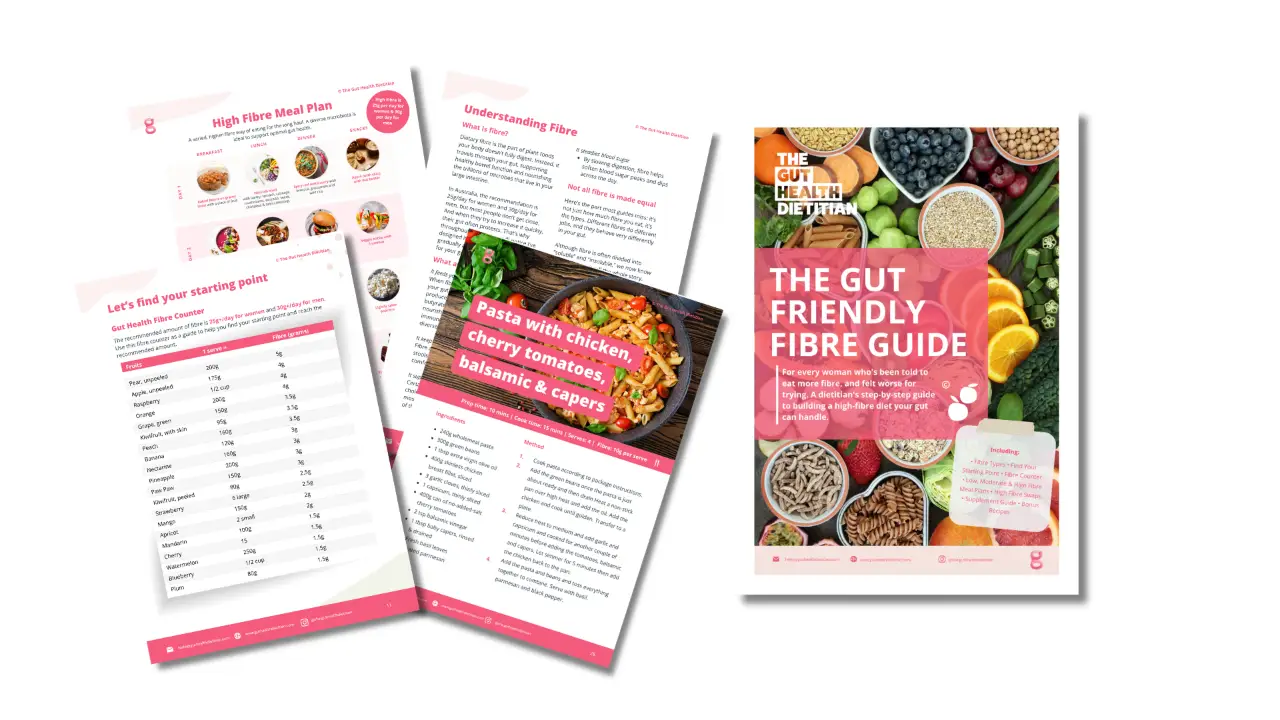
THE GUT FRIENDLY FIBRE GUIDE
An evidence-based guide for women to eat more fibre without making their gut feel worse
If eating more fibre has ever left you feeling worse, fibre probably wasn’t the problem. More likely, your gut just needed you to go slower.
This guide is based on the approach I use with women who want to eat more fibre without making their gut feel worse. We start with where you are now, then build from there slowly enough that your gut can keep up.
It’s food-first, weight-neutral and evidence-based, created by me and my team of Accredited Practising Dietitians.