Why “Eat More Fibre” Isn’t Always the Answer: Meet GEL, BULK and FEED
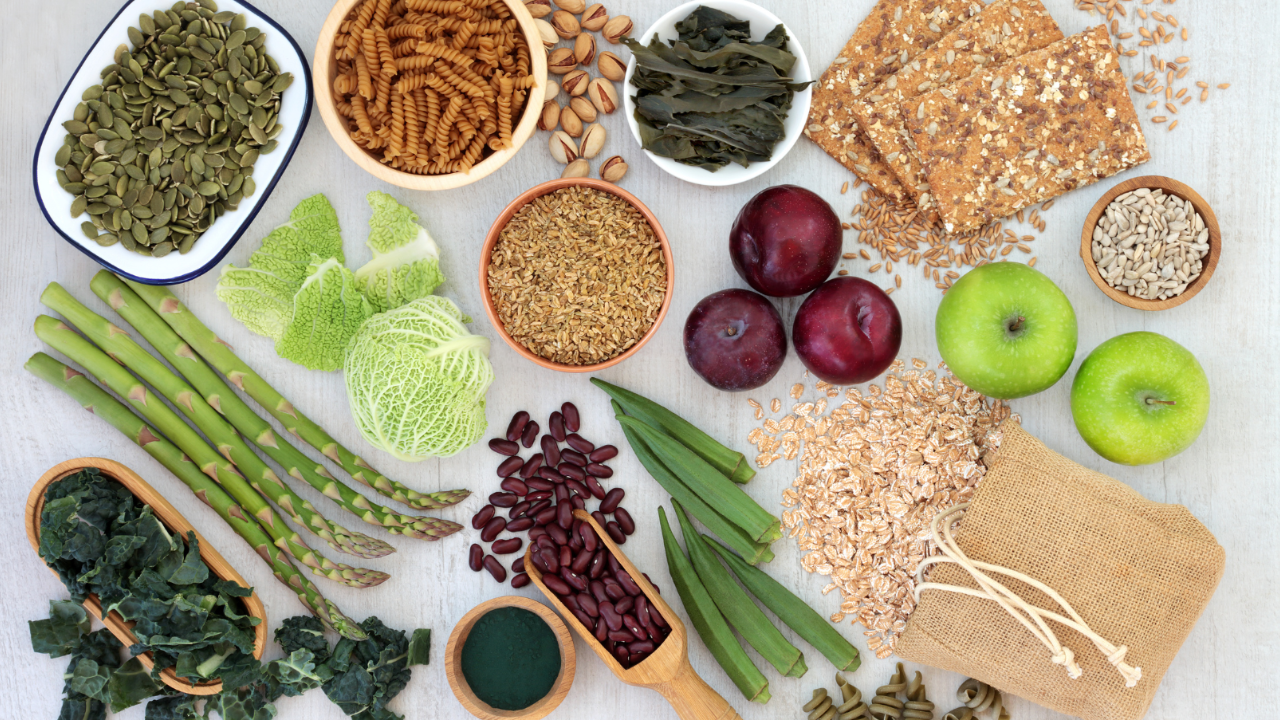
If you’ve ever been told to eat more fibre for constipation, bloating or better gut health, you’ve probably heard the usual advice: eat more wholegrains, add some bran, snack on fruit and vegetables, and include more legumes in your meals.
It’s good advice in principle. Fibre supports healthy bowel movements, feeds your gut microbes and plays an important role in your overall health.
But what happens when you follow that advice and end up more bloated, uncomfortable or constipated than before?
Avoiding fibre isn’t usually the answer. You might be increasing your intake too quickly, choosing fibres that don’t suit your current symptoms, or missing other factors that affect your bowel movements.
When it comes to fibre, more isn’t always better. Understanding how different types of fibre work can make a real difference, so let’s look at three useful ways to think about it: GEL, BULK and FEED.
Why can eating more fibre make bloating or constipation worse?
Fibre is essential for gut health, but a sudden increase can leave you uncomfortable while your gut adjusts. And if you’re already constipated or bloated, the type of fibre you add matters.
Here are three common reasons more fibre doesn’t always mean better digestion.
1. You’re adding more bulk when you’re already struggling to go
Some types of fibre add volume to your stool, which helps keep things moving.
But if you’re already struggling to pass hard stools, or you never feel quite empty, adding a lot of bran or other bulky fibre may make you more uncomfortable.
Wholegrains and vegetables are still worth eating. Adding more bulk just isn’t always the most helpful first step when you’re already constipated.
2. You’re increasing fibre too quickly
Think about what happens when you decide to eat more fibre. You might switch to a high-fibre cereal, add chia seeds to breakfast, start eating more legumes and swap white bread for wholemeal, all in the same week.
They’re all nutritious foods, but that’s a lot for your gut to adjust to at once.
Some fibres are fermented by your gut microbes, which produces gas. That’s normal, but a rapid increase can leave you particularly bloated or windy.
Your gut needs time to adjust. You don’t need to change everything you eat overnight.
3. You’re overlooking fluid and other causes of constipation
Some types of fibre absorb water, which helps soften stools. If you’re eating more fibre but not drinking enough, you may not get the result you’re hoping for.
Constipation isn’t always caused by too little fibre either. Medicines, changes in routine, pelvic floor dysfunction and other health conditions can all play a role. If you’re persistently constipated, adding more high-fibre foods may not fix what’s going on.
Not all fibre works the same way
It’s easy to think of fibre as one thing. In reality, different fibres behave very differently.
Some absorb water and form a gel. Others add bulk to your stool. Some are fermented by the microbes in your large intestine.
You might have heard fibre described as soluble, insoluble or fermentable. These categories overlap, and most foods contain several types of fibre.
Psyllium and inulin, for example, are both soluble fibres, but they work very differently in your gut. Psyllium forms a gel that can help regulate stool consistency, while inulin is readily fermented by your gut microbes and can cause gas and bloating in some people.
That’s why looking at the type of fibre, not just how much you’re eating, can help. To make the differences easier to understand, I use three simple terms: GEL, BULK and FEED.
Meet GEL, BULK and FEED
GEL: holds water and forms a soft gel
GEL fibre absorbs water and forms a soft, gel-like substance as it moves through your gut. It can help soften stools and make bowel movements more comfortable. Some GEL fibres can also help firm things up when stools are too loose.
You’ll find GEL fibre in foods such as:
- Oats
- Chia seeds
- Ground linseed (flaxseed)
- Psyllium husk
Their fibre content and effects vary, but they can be useful additions to a gut-friendly way of eating. Psyllium in particular has evidence supporting its use for some types of constipation and irritable bowel syndrome (IBS) symptoms.
BULK: adds volume to help things move
BULK fibre adds volume and structure to your stool, which helps support regular bowel movements.
You’ll find BULK fibre in foods such as:
- Bran, wholegrain bread and cereals
- Fruit and vegetables, including their skins
- Nuts and seeds
BULK fibre is helpful, but the amount and type matter. If you’re already struggling to pass hard stools, a large serve of bran may not be the most comfortable place to start. The best approach depends on your symptoms, what you usually eat and your individual needs.
FEED: provides food for your gut microbes
Your large intestine is home to trillions of microbes that play an important role in gut health. They ferment certain fibres, producing substances such as short-chain fatty acids that help look after your gut.
You’ll find FEED fibre in foods such as:
- Beans, chickpeas and lentils
- Onion and garlic
- Cooked and cooled potato, rice or pasta
- Firm, slightly green bananas
These foods are valuable in a varied way of eating. Fermentation also produces gas, though, which can contribute to bloating, especially when you increase them quickly.
If you have IBS or a sensitive gut, the amount and type of FEED fibre you tolerate may be different from someone else’s. You don’t necessarily need to avoid these foods. Smaller portions, increased gradually, may help you find what works for you.
So, GEL, BULK and FEED all have a role to play. The order you add them in matters too, especially if your gut is already grumpy.
So, how should you approach fibre for gut health?
There’s no single approach that works for everyone. Your bowel habits, symptoms, what you usually eat and your overall health all influence which changes might help.
Instead of adding several high-fibre foods at once, pay attention to how your gut responds to different foods and portion sizes.
A few things worth keeping in mind:
- Increase gradually. A sudden jump in fibre can cause gas, bloating and discomfort, even when the foods themselves are nutritious.
- Consider your current symptoms. What helps one person with constipation may not suit someone with significant bloating or trouble emptying their bowel.
- Remember fluid. Drinking enough is particularly important when you increase fibre and when you use products such as psyllium. Follow the product directions, and seek advice if you’ve been told to limit fluids.
- Look beyond fibre. Persistent constipation or bloating may have causes that changes to what you eat won’t fix on their own.
The goal isn’t a perfect fibre routine. It’s finding an approach that supports your digestion, fits your everyday life and doesn’t leave you feeling worse.
Want to make sense of fibre for your gut?
Knowing that fibre works in different ways is a great starting point. But if you’ve been trying to look after your gut and still feel bloated, uncomfortable or constipated, you’re probably wondering what this means for you.
That’s why I created my free Fibre for Grumpy Guts starter guide. It explains GEL, BULK and FEED, and the simple one-week gel test I start my clients with.
And if you’d like help with the order to add them, how much to start with and how to build up without the bloat, my new mini course, Fibre for Grumpy Guts, opens soon.
If constipation or bloating persists, speak with your GP or an Accredited Practising Dietitian (APD) to explore possible causes and suitable strategies. Seek urgent medical advice for severe or worsening abdominal pain, vomiting, blood in your stool, or if you can’t pass stool or gas.
Doing everything right, but more fibre only makes you feel worse?
You asked for it, so I'm putting it together.
Fibre for Grumpy Guts is coming.
Maybe you’re having oats for breakfast, seeds on everything and plenty of veg, and you’re still bloated or waiting for a decent poo. Maybe you added more fibre because everyone said it would help, and you felt worse. Or you’ve cut out onion, garlic, bread and beans and you’re still not comfortable.
Often the trouble isn’t fibre itself. It’s the mix of fibre types, how much, and the order you add them in.
Imagine easier poos, less bloating, and enjoying more of the foods you love.
That’s what my new mini course will help you with: which fibre to start with, how much and when, and how to build up from there.
Grab my free Fibre for Grumpy Guts starter guide and I’ll add you to the waitlist too. Waitlist members get first access on Wednesday 11 November and the founding price of $37 for 3 days only, plus two live check-ins with me. After that, it’s $57 for everyone.
And follow @the.guthealthdietitian on Instagram for more fibre tips while I finish it.
You are signing-up for notification ONLY by completing this form. No tricky stuff! We promise never to spam you.