Let’s talk about habits that last...

Willpower alone rarely sustains change, especially when those 'little' habits (like grabbing a glass of wine, snacking while cooking, or scrolling on your phone) sneak in more often than we realise.
That’s where habit change, not just motivation, comes in. In Dr. Gina Cleo’s book The Habit Revolution, a powerful guide grounded in research, she shows how rewiring your brain and not just powering through with self-control is the key to lasting transformation.
Here’s how you can use the first week of January to set up habits that align with your goals, without overloading your brain or setting yourself up for burnout!!
Why Tiny Habits Matter (Especially for Nutrition)
- There’s a quote we love in Dr Gina Cleo’s book, that states that:
change driven by habits is “the only proven method of achieving long‑term success.”
- Rather than trying to overhaul everything, Cleo encourages focusing on small, manageable actions. These micro‑habits trigger new neural pathways and, over time, become automatic.
- As one of her core ideas: you don’t need huge, dramatic changes, just consistent, simple actions that become part of your daily routine.
- This is particularly powerful for weight and nutrition goals: by building in small, healthy habits (like drinking a glass of water with meals or adding a side salad), you’re creating sustainable behaviour rather than relying on restriction
Reflect on Your Auto‑Pilot Habits
Before you pick your New Year habits, it helps to identify what’s already on autopilot. We're referring to the behaviours you do without thinking, but that influence your health more than you might realise - perhaps you've uncovered these if you had a chance to do a bit of reflecting last week. Ask yourself:
- Do I tend to pour a glass of wine almost every evening?
- Am I grazing while cooking or prepping dinner?
- Do I reach for snacks when I’m bored, stressed, or waiting?
- Are there times when I mindlessly scroll rather than rest?
These automatic habits may feel small, but they add up. And in the context of habit-change, they’re exactly where you can create real leverage.
Choose Your Habit Change Strategy: Low-Hanging Fruit First
Using Gina Cleo’s framework, we suggest starting simple. Pick one (or up to three) manageable habits to focus on first - the ones you can realistically integrate into your current life. Here’s a breakdown of how to do that:
1. Decide with clarity
Choose a goal that really matters to you. Decision-making means “cutting off all other options” and committing fully rather than dabbling with “maybe" - this is important!
2. Pick a very simple action
Don’t overcomplicate it. For example, instead of “stop grazing while cooking,” try: after I put the pot on the stove, I will put one portion of food on a plate and set the rest aside. Or, with my evening meal, I’ll have a glass of water first.
3. Create a trigger
Link your new mini‑habit to an existing cue. Habits are deeply connected to triggers (times of day, places, routines).
- Example: If your trigger is “finish dinner plate,” you could plan to take a gentle walk after.
- Or if your trigger is “start cooking,” you could decide to pour a glass of water before snacking.
4. Build in feedback / reward
Habit trackers function as a small dopamine reward: ticking off a habit reinforces it.
- Use an app, a journal, or even sticky notes, whatever feels simple and motivating for you.
- Celebrate the small wins: each checkmark is a win for your brain and your habits.
5. Be patient & kind
Habit change is not about perfection. Life will throw curveballs, and the brain resists too much change at once!
- If you slip up, reflect on why: was the trigger unclear? Did energy or motivation drop?
- Use compassion rather than criticism to course correct, that’s how sustainable change happens.
Set Yourself Up for Success This Week
Here’s how to make your first week of January really count:
- Pick one “anchor habit”: Choose a small behaviour that matters and feels doable.
- Map out the trigger: Write down when and how you’ll do this new habit.
- Track it: Use a habit tracker and mark each day you do the habit.
- Reflect nightly: Take 2-3 minutes each evening to note any wins, struggles, or insights.
- Adjust as needed: If something isn’t working, tweak the habit, trigger, or timing but don’t abandon it.
Why This Really Works
Using the science-based approach from The Habit Revolution, you’re not relying on fleeting motivation or willpower. Instead, you’re reprogramming your brain to make healthy behaviours automatic over time. This is crucial, especially for nutrition: when healthy habits feel built-in, you're less likely to rebel into old patterns or rely on willpower in stressful moments.
As Dr. Gina Cleo puts it:
“The patterns of our habits intricately weave the narrative of our life’s journey … the future is not written yet and you have the power to change your habits to transform, restore and reclaim your self.”
A Final Word: Less Pressure, More Power
This isn’t about a dramatic “new year, new me” overhaul. It’s about intentional micro changes. By focusing on small, meaningful habits, especially those that were already happening on autopilot, you set yourself up for real, sustainable progress.
If 2026 is going to be different, it starts not with willpower, but with rewiring how you do your daily life. Use this first week of January wisely: decide, commit, track, reflect, then let the momentum build!! You've got this.
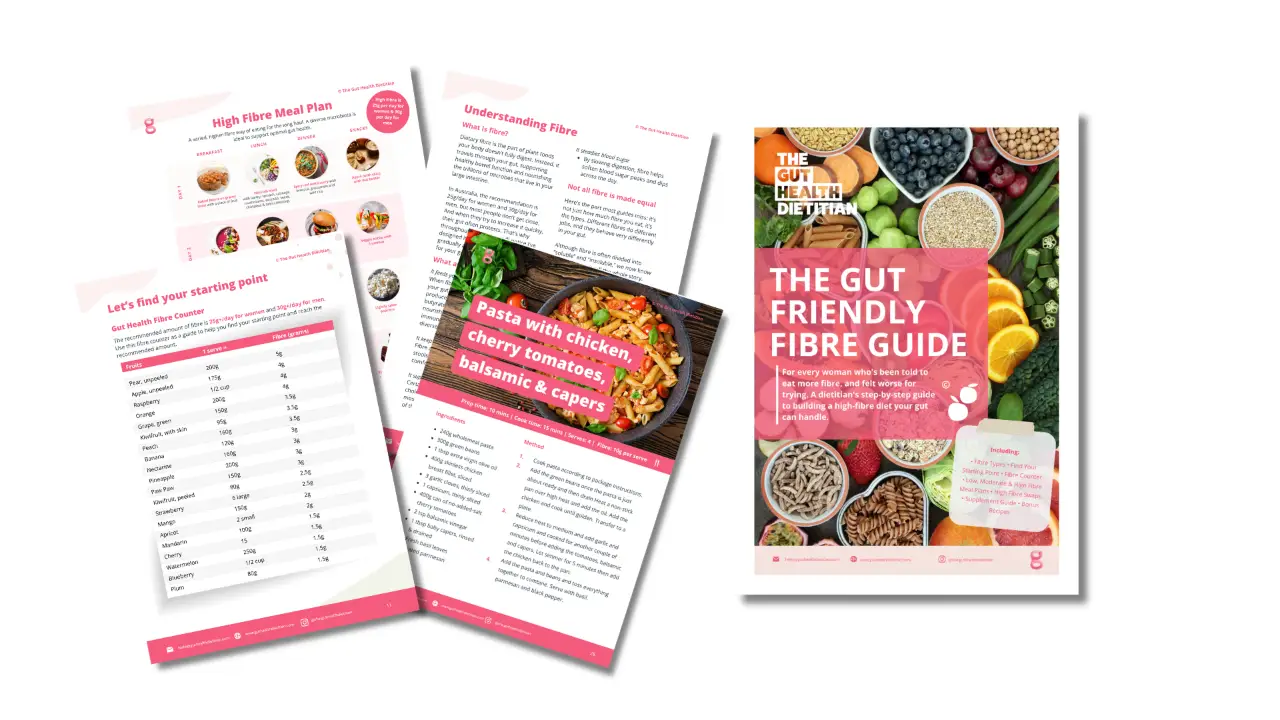
THE GUT FRIENDLY FIBRE GUIDE
An evidence-based guide for women to eat more fibre without making their gut feel worse
If eating more fibre has ever left you feeling worse, fibre probably wasn’t the problem. More likely, your gut just needed you to go slower.
This guide is based on the approach I use with women who want to eat more fibre without making their gut feel worse. We start with where you are now, then build from there slowly enough that your gut can keep up.
It’s food-first, weight-neutral and evidence-based, created by me and my team of Accredited Practising Dietitians.