Phytoestrogens and Menopause: Do They Help?
You’ve probably heard about phytoestrogens, the plant compounds that act like oestrogen in the body. But are they beneficial during perimenopause and menopause, and importantly, are they safe?
Let’s break it down.
What Are Phytoestrogens?
Phytoestrogens are naturally occurring plant compounds found in foods such as soy, flaxseed, red clover, legumes, sesame seeds, and whole grains. Because their chemical structure is similar to oestrogen, they can bind to oestrogen receptors in the body and exert mild oestrogen-like effects.
Importantly, they are not the same as human oestrogen. Their action is significantly weaker and more modulatory.
The main types include:
Isoflavones:
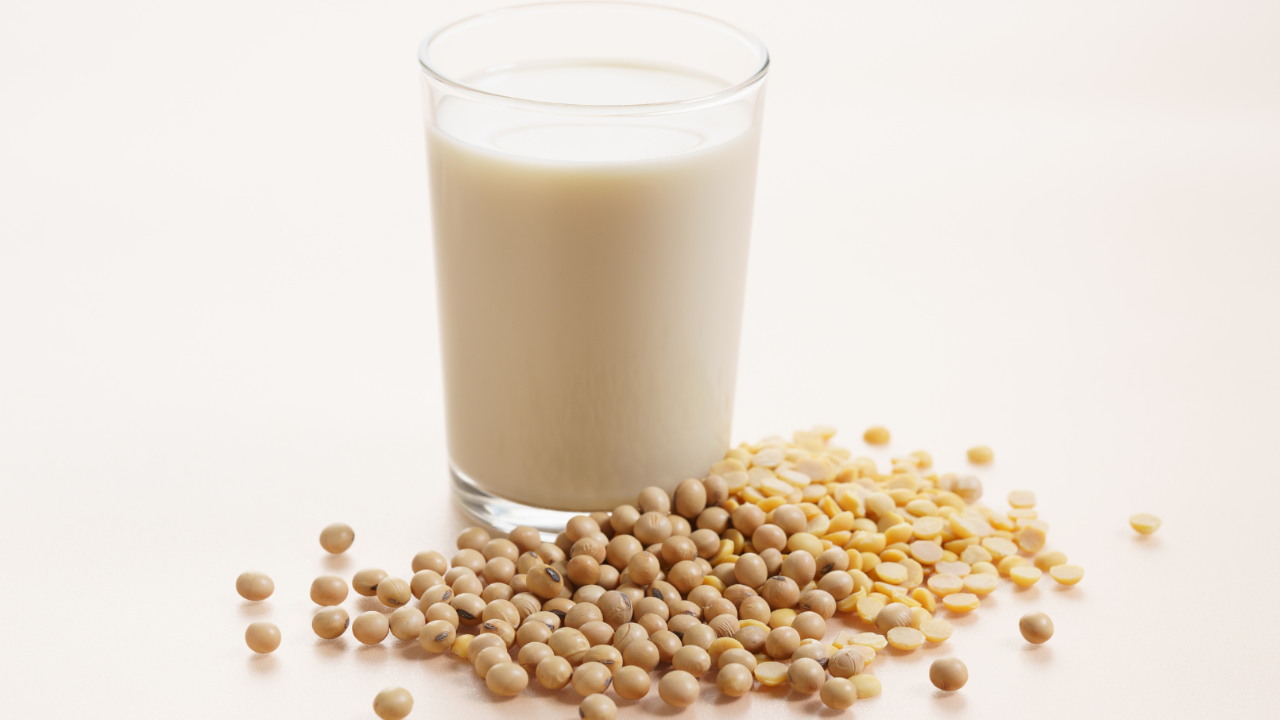
Found primarily in soy foods (tofu, tempeh, soy milk, edamame) and red clover.
Lignans:
Found in flaxseed, sesame seeds, and whole grains.
Coumestans:
Found in split peas, pinto beans, and some sprouts.
How Do Phytoestrogens Work?
Phytoestrogens bind to oestrogen receptors in the body. It can be helpful to think of them as modulators (regulators) rather than replacements.
When oestrogen levels are low (as occurs during perimenopause and menopause) phytoestrogens may provide a mild supportive effect.
When oestrogen levels are higher, they may compete for receptor sites and produce a balancing effect.
Because their activity is weaker than human oestrogen, their impact is modest compared with hormone replacement therapy (HRT). However, for some women, this milder activity can still be clinically meaningful.
Do They Help With Menopausal Symptoms?
The short answer: they may help, but effects are generally modest.
Phytoestrogens are not a replacement for hormone therapy. However, research suggests they can provide partial symptom relief for some women.
Hot Flushes and Night Sweats
Evidence shows small but measurable reductions in hot flushes, with some studies suggesting approximately one fewer hot flush per day compared with placebo.
Results for night sweats are less consistent.
Vaginal Symptoms
Oral and vaginal phytoestrogen formulations have been shown to improve:
-
Vaginal dryness
-
Vaginal atrophy
-
Urinary symptoms
-
Sexual function
Vaginal applications tend to show more consistent benefits than oral supplements.
Mood and Psychological Symptoms
Some studies demonstrate moderate improvements in depressive symptoms, particularly with low-to-moderate isoflavone doses taken consistently over several months.
However, effects on sleep, headaches, palpitations, and overall symptom scores are inconsistent.
The Gut-Hormone Connection: Why Microbiome Health Matters
Here’s where the conversation becomes more nuanced.
Phytoestrogens are not just about what you eat, they are also about how your gut processes them.
Certain gut bacteria convert phytoestrogens, particularly the soy isoflavone, daidzein, into a compound called equol. Equol has stronger oestrogenic, antioxidant, and anti-inflammatory effects than its precursor and may enhance the potential of phytoestrogens to modulate (regulate) hormones.
However, only some individuals have the specific gut microbes required to produce equol. This depends on the diversity and composition of the gut microbiome.
In other words, two women may consume the same amount of soy, but their bodies may respond differently depending on their microbiome.
A healthy and diverse gut microbiome supports:
-
Effective phytoestrogen metabolism
-
Balanced oestrogen regulation
-
Reduced inflammation
-
Efficient hormone clearance
This highlights an important principle: supporting gut health through dietary fibre diversity, fermented foods, and overall dietary quality may optimise the benefits of phytoestrogen-rich foods during perimenopause and menopause.
Are Phytoestrogens Safe?
Current evidence suggests that phytoestrogens are safe for most women when consumed in dietary amounts.
Studies up to two years show:
-
Side effects are similar to placebo
-
No increased risk of breast cancer recurrence in most populations studied
-
No increased risk of endometrial hyperplasia
They are generally considered safe for short- to medium-term use.
However, it’s important to keep expectations realistic:
-
They do not work as quickly or as strongly as HRT
-
Effects are modest
-
Individual responses vary
They may be particularly suitable for women who cannot or prefer not to use hormone therapy, or who are seeking complementary strategies.
Additionally, it's important to note that women with a history of hormone-sensitive cancers should consult their healthcare provider before using concentrated phytoestrogen supplements.
How to Include Phytoestrogens in Your Diet
For most women, food-first approaches may be helpful.
Soy / Isoflavones
-
1 cup cooked soybeans provides approximately 30mg isoflavones
-
1 cup soy milk or 150g tofu provides approximately 20-25mg isoflavones (varies by brand)
-
Tempeh and edamame are also good sources
Flaxseed / Lignans
-
1-2 tablespoons of freshly ground flaxseed daily
-
Add to oats, smoothies, yoghurt, or salads
Other Legumes and Seeds
-
Chickpeas
-
Lentils
-
Sesame seeds
Supplements may be considered if dietary intake is low or a more consistent dose is desired (but always speak to your healthcare professional first), but keep in mind that food sources provide additional fibre and gut health benefits.
A Final Word
Phytoestrogens are plant-based compounds that may modestly improve:
-
Hot flushes
-
Vaginal and urinary symptoms
-
Mood symptoms
They will not replace hormone therapy, and they are not a cure-all. But for women seeking natural, complementary support, they are a reasonable option, particularly when combined with:
-
A fibre-rich, plant-diverse diet
-
Gut-supportive habits
-
Regular movement
-
Stress management
Menopause is not just about declining hormones. It’s about the entire ecosystem of the body, and the gut microbiome is an important part of that system.
References:
[1] Li, Y., Huang, F., Qian, X., Liu, C., Yao, Y., Wang, Z., Zhu, X., & Guo, Q. (2025). Exploring the anti-aging potential of phytoestrogens: focus on molecular mechanisms and menopausal symptom modulation. Frontiers in Nutrition, 12. https://doi.org/10.3389/fnut.2025.1651367.
[2] Chen, M., Lin, C., & Liu, C. (2014). Efficacy of phytoestrogens for menopausal symptoms: a meta-analysis and systematic review. Climacteric, 18, 260 - 269. https://doi.org/10.3109/13697137.2014.966241.
[3] Abdi, F., Rahnemaei, F., Roozbeh, N., & Pakzad, R. (2021). Impact of phytoestrogens on treatment of urogenital menopause symptoms: A systematic review of randomized clinical trials.. European journal of obstetrics, gynecology, and reproductive biology. https://doi.org/10.1016/j.ejogrb.2021.03.039.
THE GUT FRIENDLY FIBRE GUIDE
An evidence-based guide for women to eat more fibre without making their gut feel worse
If eating more fibre has ever left you feeling worse, fibre probably wasn’t the problem. More likely, your gut just needed you to go slower.
This guide is based on the approach I use with women who want to eat more fibre without making their gut feel worse. We start with where you are now, then build from there slowly enough that your gut can keep up.
It’s food-first, weight-neutral and evidence-based, created by me and my team of Accredited Practising Dietitians.