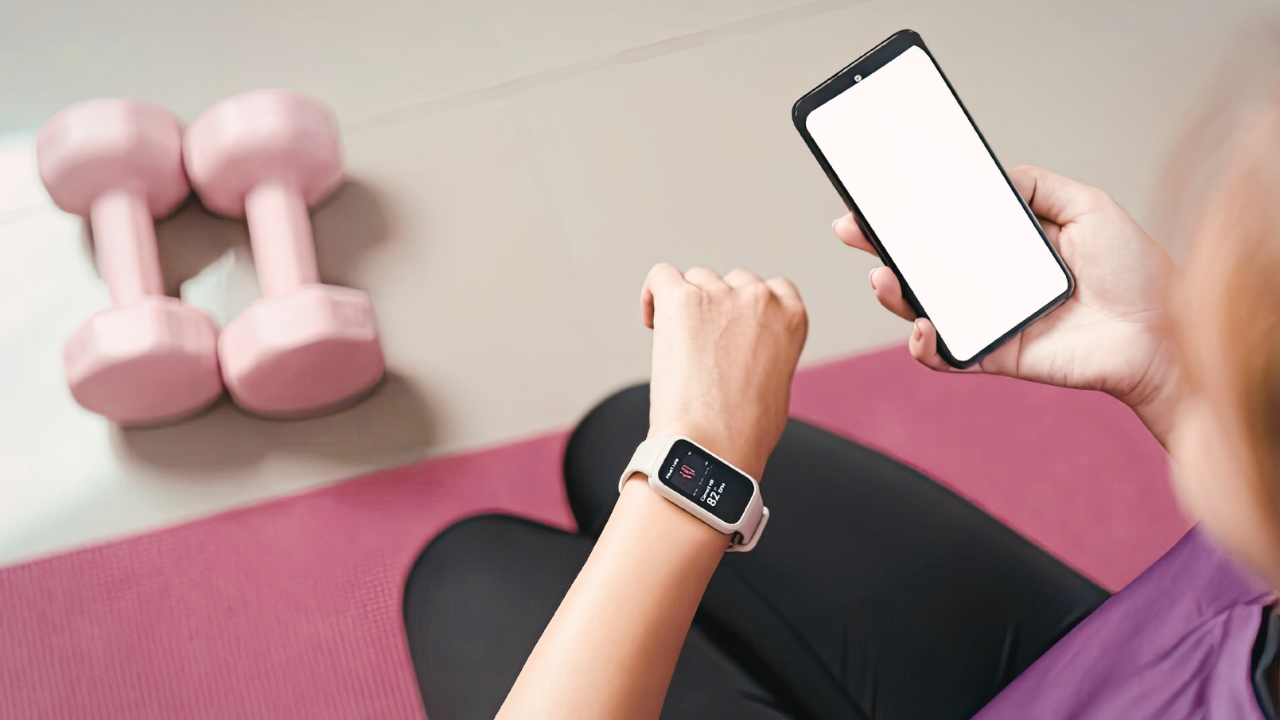
We’re living in a time where a small device on your wrist or finger can tell you how you slept, how stressed you are, how many calories you burned, and whether your body has recovered enough from exercise or stress to train again.
Devices like the Apple Watch and Oura Ring offer a lot of information like sleep scores, heart rate trends, activity levels, indicators of stress, and recovery between workouts. For many women, especially in perimenopause, this can feel reassuring. Finally, something objective and measurable.
But in practice, more data doesn’t always lead to better health.
When I work with women navigating hormonal changes, gut symptoms, fatigue, and changing recovery patterns, the question usually isn’t what we can track. It’s whether tracking is supporting the bigger picture or adding more pressure.
The Four Health Buckets
In clinic, I bring everything back to four core foundations:
Sleep
Nutrition
Movement
Stress
Most symptoms we talk about like bloating, low mood, weight changes, fatigue, poor recovery, link back to one or more of these buckets. They rarely exist on their own.
Wearable technology tries to capture parts of all four. Sleep scores reflect rest. Step counts reflect movement. HRV can give insight into overall stress load and recovery between sessions. Active energy reflects physical output or how much energy you’ve expended through movement and exercise.
Used well, this information can be helpful, particularly when you’re establishing a baseline.
Patterns can be helpful. You might notice your resting heart rate is higher during stressful weeks. You may see sleep quality drop after alcohol. You might connect low-energy days with broken sleep. That kind of awareness can support meaningful change.
But awareness can also tip into over-monitoring or hyper-vigilance.
When Tracking Feels Supportive
For some women, tracking genuinely helps. Seeing data can support consistency or reinforce habits that already make them feel better. If you know you function better with regular movement, step tracking can be motivating. If poor sleep consistently follows late meals, that insight can guide small adjustments.
In perimenopause, where symptoms can feel unpredictable, data can also be validating. When night sweats or early waking disrupt sleep, seeing that reflected in your metrics can be reassuring. It confirms that what you’re experiencing is physiological rather than a lack of discipline or effort.
Tracking can also help with pacing. If recovery metrics drop during a demanding week, that can be a cue to reduce training intensity or build in more rest. Used this way, technology stays informative rather than controlling.
When Tracking Adds Pressure
For other women, tracking does the opposite.
If you wake feeling okay but immediately see a low sleep score and decide the day will be hard, the device has taken on too much authority. If closing rings or hitting calorie burn targets creates anxiety, stress increases rather than decreases.
Perimenopause already challenges a sense of predictability. Hormonal changes can affect sleep quality, mood regulation, body temperature, insulin sensitivity, and recovery time. Broken sleep, higher resting heart rate, or reduced exercise tolerance are common during this stage.
A device can’t interpret that context. It doesn’t know you were awake due to night sweats. It doesn’t know you’re managing work pressure, family demands, or emotional load. If tracking overrides your internal cues or fuels perfectionism, it may undermine the very health you’re trying to support.
Perimenopause, Energy, and Recovery
Energy needs and recovery capacity often change during this life stage.
Some women need more protein to maintain muscle mass. Others notice they can’t tolerate the same training intensity without adequate recovery. Fragmented sleep can affect appetite regulation and blood glucose. Sensitivity to stress may increase.
Wearable data can support this transition if it’s used flexibly. You might notice your heart rate stays elevated after high-intensity sessions and choose walking or strength training instead. You may see lower HRV during a busy period and prioritise sleep.
But when numbers become a measure of performance or self-worth, they lose their usefulness.
A Better Question to Ask
Rather than asking whether you should track, it’s often more helpful to ask whether tracking is supporting your four health buckets.
Is it helping your sleep habits?
Is it guiding more supportive nutrition choices?
Is it encouraging balanced movement?
Is it helping you manage stress more effectively?
If the answer is yes, keep going.
If the answer is no, stepping back may be the most supportive choice.
Your body remains your most reliable feedback system. Technology can complement that, but it shouldn’t replace it.