The Omega-3 Gap During Peri & Menopause
Most people think omega-3s are just for heart health. In perimenopause & menopause, they can support your gut, joints, brain and inflammation.
Let’s talk about what omega-3s really do, what they don’t do, and how to get enough of them.
What exactly are omega-3s?
Omega-3s are essential fats, meaning your body needs them but can’t make them on its own. They help reduce inflammation (great for aching joints), support your brain and nervous system, and play a role in gut integrity and hormone-related changes.
There are three types you’ll hear about, but two really matter here:
EPA and DHA
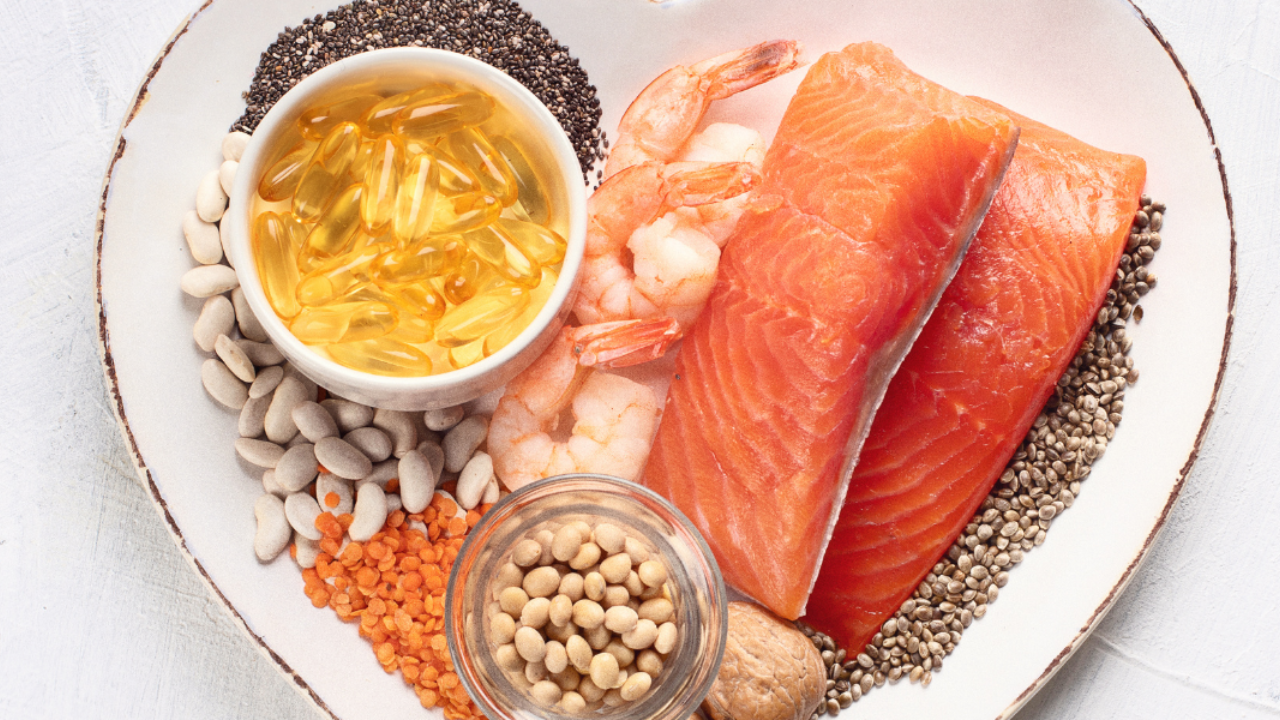
These are the “active” omega-3s. They’re found in fatty fish and algae and are the forms directly linked to reduced inflammation, better cardio metabolic health, and brain support.
ALA
This is the plant form of omega-3 found in flaxseeds, chia seeds, and walnuts. It’s healthy, but your body has to convert it into EPA and DHA to get the best use out of it, and that conversion is quite limited.
This is important, because during peri & menopause, that conversion becomes even less efficient.
Why omega-3s matter during peri & menopause
Fluctuating oestrogen affects almost every system in your body, including your gut, brain, and inflammatory response.
Hormonal changes can affect your gut barrier function and increase low-grade inflammation. Omega-3s help by reducing inflammation in the gut, supporting the gut lining, and encouraging a healthier gut microbiome.
A less inflamed gut often means better digestion, better nutrient absorption, and even better mood.
The gut-brain connection
Omega-3s support brain chemistry, particularly pathways involved in mood regulation, and help reduce inflammation in the nervous system. Research consistently shows benefits for triglycerides and heart health, and more modest but meaningful support for mood and emotional resilience in menopausal women.
They’re not a treatment for anxiety or depression, but they can be a background support during a hormonally vulnerable time.
Inflammation increases
Peri & menopause is a time when inflammation can occur without an obvious cause. You might feel more sore after exercise, recover more slowly, or feel generally inflamed in your body.
Omega-3s are one of the most well-researched anti-inflammatory nutrients we have. This matters for how you feel day to day, but also for long-term heart and metabolic health as menopause approaches.
This is where omega-3s are most consistently helpful.
What omega-3s don’t reliably do
Omega-3s:
-
Don’t consistently reduce hot flashes
-
Aren’t a reliable fix for sleep issues
-
May slightly reduce night sweats for some women, but not all
Some women feel symptom relief, many don’t. That doesn’t mean omega-3s aren’t worth taking. It just means they support your dietary foundations rather than acting as a stand-alone quick fix.
How much omega-3 do you need?
For most peri & menopausal women focusing on gut health and inflammation, we generally recommend aiming for:
Around 3500mg of EPA + DHA per week.
This is where many women unintentionally fall short. Even though omega-3s are widely talked about, most adults aren’t actually getting enough, and women consistently fall shorter than men.
Large population studies show that:
-
Most adults have omega-3 intakes below recommended levels
-
Women eat less fish and less EPA + DHA than men
-
Blood levels of omega-3s are often in a range linked with higher cardiovascular risk
In one large US nutrition survey, around:
-
68% of adults had omega-3 levels below what’s associated with meeting dietary guidelines
-
Almost 90% were in a range considered high risk from a heart-health perspective
When researchers look specifically at women around menopause, the picture doesn’t really improve. Studies in postmenopausal women show:
-
Average omega-3 intakes are lower than in premenopausal women
-
Many women consume far less than the commonly recommended 250-500 mg of EPA + DHA per day
-
In one trial of mostly postmenopausal women, average intake was only ~90 mg per day, a fraction of what’s considered beneficial
To put that in perspective, that’s less than what you’d get from a few bites of salmon. There are countries where older women meet recommendations, but these are the exception, not the rule, and usually reflect populations that eat fish very regularly!
For example, let's look at a very realistic “healthy eating” day. If you have:
-
2 tablespoons extra virgin olive oil
-
1 tablespoon seeds (chia, flax, pumpkin, sunflower)
-
½ an avocado
While these foods support your gut, from an omega-3 perspective:
-
Olive oil contains almost no omega-3 (it’s mostly omega-9)
-
Seeds provide about 0.5-0.7 g of ALA (plant omega-3)
-
Avocado adds about 0.05 g ALA
Altogether, that’s roughly 0.6-0.8 g of plant omega-3.
Here’s the catch: only about 5-10% of ALA converts into EPA and DHA, and that conversion becomes even less efficient during hormonal transition and stress.
So that “perfect” plant-based day may only give you:
30-80mg of EPA and DHA.
If each day in your week looks similar, you may struggle to hit your 3500mg weekly target.
So how do you reach 3500mg?
If you eat fish:
-
1 tin red salmon(105g) 1140mg omega-3
-
1 tin pink salmon(105g) 1250mg omega-3
-
1 tin mackerel(125g) 3360mg omega-3
-
1 tin sardines(110g) 1940mg omega-3
-
1 tin tuna (95g) 142mg omega-3
Eating fatty fish two to three times per week can cover your needs if portions are consistent. If you don’t eat fish, this is where omega-3 intake becomes tricky. Flax, chia, and walnuts are fantastic for gut health, but they don’t reliably raise EPA and DHA levels.
In this case, an algae-based omega-3 supplement is usually the most practical option, such as Algal oil.
The gut health piece that ties it all together
During peri & menopause:
-
Your gut lining becomes more vulnerable
-
Inflammation rises more easily
-
Your ability to convert plant omega-3s declines
Omega-3s help protect the gut lining, support microbial balance, and reduce gut-driven inflammation. This can indirectly support mood, immune health, and metabolic stability.
A Final Word
Omega-3s won’t fix your peri or menopause symptoms, but they can make the transition easier.
Think of them as:
-
A anti-inflammatory influence for your gut
-
Support for your brain and emotional resilience
-
A long-term investment in heart and metabolic health
Keep the seeds and nuts, they’re still essential for gut health. Just don’t rely on them alone for omega-3 needs during perimenopause and menopause.
Closing nutrient gaps starts with how you build your plate.
Eat Smarter in Perimenopause A free mini guide to building dinners that support your gut, body and brain in perimenopause, protein, high-fibre carbs, colour and healthy fats, all in one simple formula.
You'll also get 4 easy dinners that put it into action.
GET THE FREE GUIDE
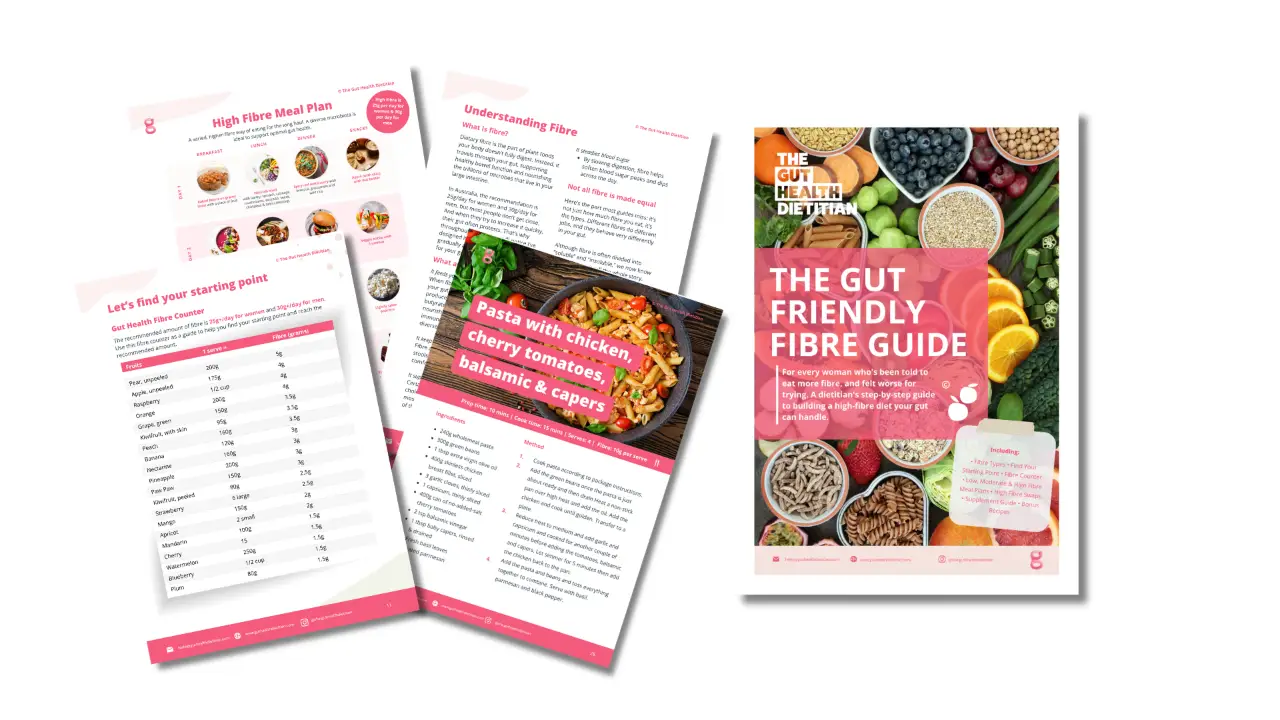
THE GUT FRIENDLY FIBRE GUIDE
An evidence-based guide for women to eat more fibre without making their gut feel worse
If eating more fibre has ever left you feeling worse, fibre probably wasn’t the problem. More likely, your gut just needed you to go slower.
This guide is based on the approach I use with women who want to eat more fibre without making their gut feel worse. We start with where you are now, then build from there slowly enough that your gut can keep up.
It’s food-first, weight-neutral and evidence-based, created by me and my team of Accredited Practising Dietitians.