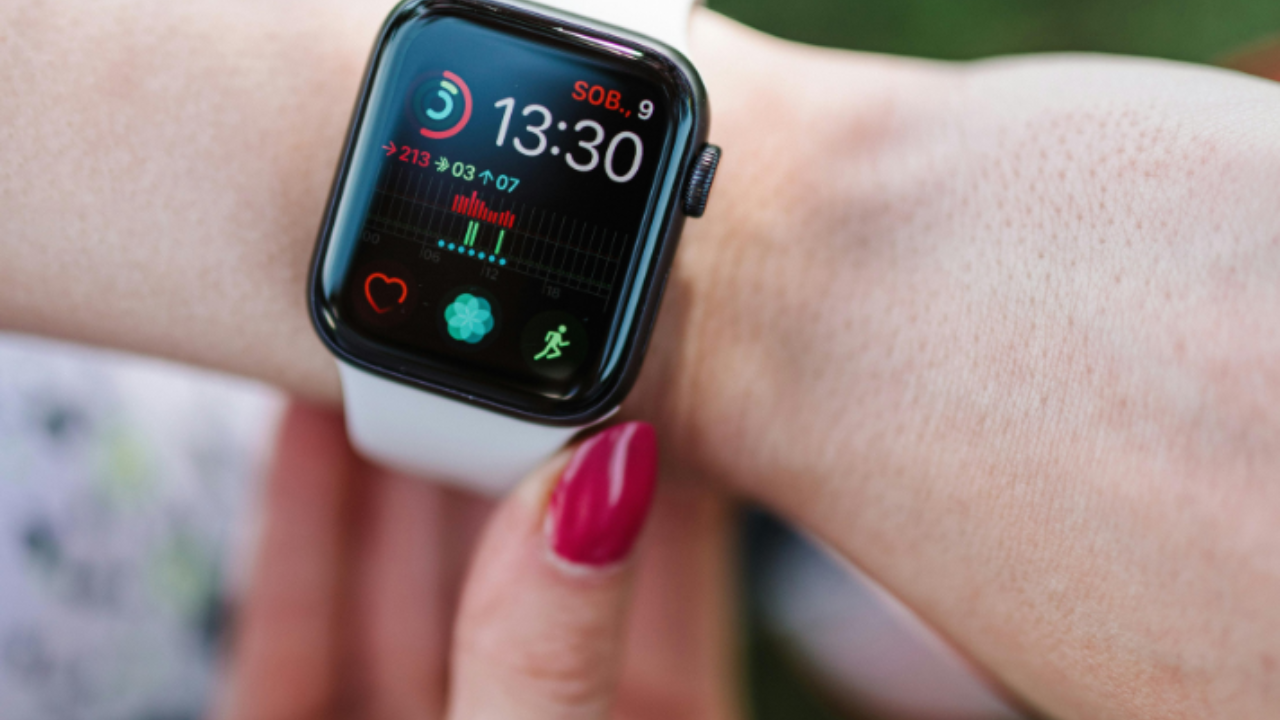
Wearables can provide helpful insights into movement and exercise patterns, but in perimenopause, the numbers don’t always tell the full story.
In a world of step counts, calorie burn targets, and closed activity rings, it’s easy to believe that more movement is always better. But for women in perimenopause, the answer is rarely that simple.
Some women are under-moving and feeling stiff, flat, and metabolically sluggish. While others could be pushing through fatigue, chasing numbers, and wondering why their recovery feels worse than it used to.
Tracking movement can be helpful, but in many cases it can become another source of pressure.
The key is understanding what wearable data can tell us and what it cannot.
What Wearables Measure (And What They Miss)
Most wearable devices track a few core metrics like:
These metrics can provide useful insights into your overall activity patterns. For example, if you work at a desk most of the day, your step count may highlight how little incidental movement you are getting. If your resting heart rate remains elevated after intense training sessions, it may signal that your body needs more recovery.
But at the same time, wearable devices do not measure everything that matters.
They cannot capture:
And during perimenopause, these factors become increasingly important.
Perimenopause, Muscle, and Metabolism
As oestrogen levels fluctuate, women often experience changes in muscle mass, fat distribution, bone density and insulin sensitivity.
This is why resistance training becomes more about long-term protection. Strength training supports glucose regulation, metabolic health, joint stability, balance, bone strength and functional independence.
However, these sessions often don’t produce impressive wearable numbers. A slow, controlled strength workout may burn fewer calories than a high-intensity class, yet it can deliver far greater long-term metabolic benefit AND support your health in other ways, such as supporting muscle mass and bone density.
When movement is viewed only through looking at calories burned or activity minutes, these adaptations can easily be undervalued.
When Tracking Can Be Helpful
Wearable data becomes useful when it provides context, not pressure. Tracking movement can help when encourages consistency, highlights prolonged sedentary periods, signals when recovery may be compromised, and/or helps balance training intensity across the week. In this way, tracking becomes a tool for adjustment or motivation.
Movement, Stress, and Gut Health
Movement sits alongside sleep, nutrition, and stress as one of the major pillars of health.
Too little movement can slow digestion, impact mood, and reduce metabolic flexibility. But consistently pushing intensity without adequate recovery can elevate stress hormones and worsen symptoms like fatigue, poor sleep, and digestive discomfort.
This balance is particularly relevant for gut health.
Regular movement can help stimulate gut motility, support microbial diversity, improve circulation to digestive organs, and regulate stress responses that influence digestion
Looking Beyond the Numbers
Wearables can provide useful feedback, but they cannot measure the most meaningful outcomes of movement.
So, instead of asking: How many calories did I burn today?
You might consider asking:
-
How will I feel if I continue training this way for the next year?
-
How will my body function a decade from now? Will I be able to carry groceries comfortably and get up from the floor easily?
-
Am I building strength, resilience, and confidence in movement?
These outcomes rarely appear on a watch screen.
A Final Word
Remember, movement during peri and menopause is about supporting a body that will carry you through decades to come. Wearables can offer helpful insights into your habits, but they are simply tools. They should guide awareness, not override your internal cues. Because the real power lies not in the numbers themselves, but in how they shape the choices you make each day.