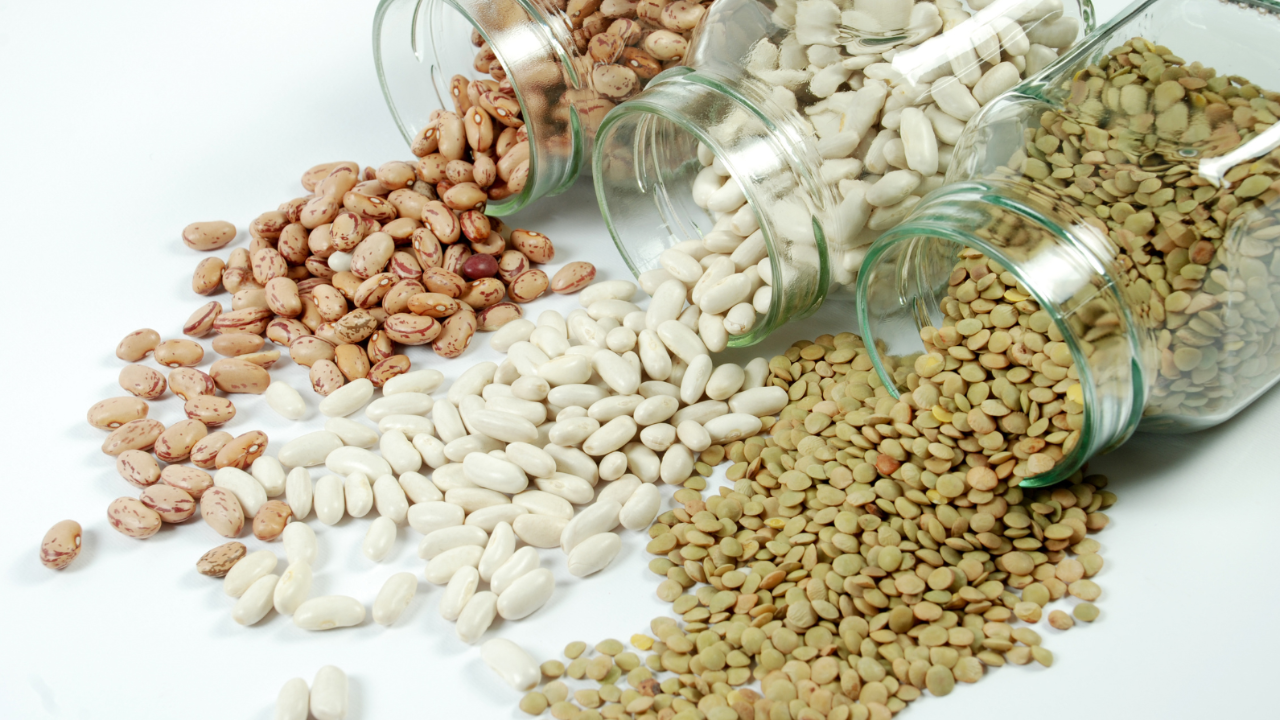
Does the thought of chickpeas, lentils or beans make you immediately think bloating, cramps, trapped wind or “absolutely not”?
In clinic, we often hear from people who have stopped eating legumes because they seem to trigger bloating, gas, cramps or discomfort. It makes sense. When a food keeps making you feel uncomfortable, avoiding it can feel like the safest option.
The problem is that legumes are one of the most underrated foods for gut health and long-term health.
Chickpeas, lentils, beans and other legumes provide fibre, plant protein, iron, magnesium and fermentable carbohydrates that feed beneficial gut microbes. They can support bowel regularity, fullness, cholesterol, blood sugar control, gut microbiome diversity and long-term metabolic health.
So the goal is not necessarily to avoid legumes forever. The goal is to help your gut tolerate them again in a way that feels manageable.
Why legumes can trigger bloating
Legumes contain fermentable carbohydrates called FODMAPs.
FODMAPs are broken down by gut bacteria in the large intestine, and gas is produced as part of that process. That gas is not automatically a bad thing. It can be a normal sign that your gut microbes are doing their job.
The issue is your personal threshold.
Your gut has a point where symptoms are more likely to appear. Stay under that threshold and you may feel fine. Go over it, and you may suddenly feel bloated, uncomfortable and convinced that chickpeas, lentils or beans are the problem.
But that does not always mean your body can't tolerate legumes. It may simply mean your gut needs a slower build-up.
Your gut can adapt, but it needs time
There are two ways your gut can adapt.
You can eat a large serve, symptoms appear, and your gut may eventually adapt over time.
Or you can stay under your threshold, start small and build gradually, so your gut has a chance to adapt without the bloating blow-up.
Same goal. Very different experience getting there.
In clinic, we often work with people who can only tolerate a teaspoon or tablespoon of lentils to begin with. But with consistency and gradual increases, many can build up to regular serves over time.
The biggest mistake is usually one of two things:
- avoiding legumes completely for months or years
- jumping from very little fibre to a giant “gut health” meal overnight
Neither approach gives your gut a fair chance to adapt.
Start with tolerable serves first
You do not need to eat huge portions of legumes to get benefits.
These low FODMAP serves are generally better tolerated for sensitive guts because they contain fermentable fibre in smaller portions:
- Brown lentils, canned and drained: around ⅓ cup or 64g
- Chickpeas, canned and drained: around 5½ tablespoons or 80g
- Cannellini beans: around 76g
- Black beans, canned and drained: around 2 tablespoons or 45g
- Four bean mix, canned and drained: around 1½ tablespoons or 29g
- Edamame: around 90g
- Hummus: around 2 tablespoons
Canned legumes are often easier to tolerate than dried legumes because some of the FODMAPs leach into the liquid. Rinsing them well can also help.
And there is no rule that says you need to start with the full low FODMAP serve. If your gut is very sensitive, cut these amounts in half to begin with.
Even 1-2 tablespoons regularly can be a helpful starting point.
Think of it as gut training
When you consistently avoid fibre-rich foods because they make you bloated, your gut bacteria can become less equipped to process them efficiently.
Then, when you suddenly eat legumes again, symptoms can feel worse.
Avoidance can reduce symptoms in the short term, but it may also lower your tolerance over time. Slow exposure helps build tolerance back up.
This does not mean pushing through severe pain or ignoring ongoing symptoms. But a small amount of bloating during fibre increases can be part of the adjustment process, not proof that your body can never tolerate legumes again.
Think of it like returning to exercise after time off. You would not walk into a gym and do a heavy two-hour session on day one.
Your gut works in a similar way. Small, regular exposure helps it adapt.
How to build your legume tolerance gradually
Your long-term goal is not to stay on tiny portions forever.
Over time, you may be able to work toward larger serves, depending on your gut, your symptoms and the type of legume.
The key is building slowly.
If you are very sensitive, you might start with:
- Days 1-3: 1 tablespoon
- Days 4-7: 2 tablespoons
If you already tolerate small amounts, you might start with:
- Days 1-3: ¼ cup
- Days 4-7: ⅓-½ cup
If legumes already sit reasonably well, you might start around ½ cup and build gradually from there.
Then each week, you can increase slightly, keep portions consistent and spread serves across the day if needed.
Practical ways to include legumes without overdoing it
Instead of making legumes the whole meal, think small additions.
You could:
- stir 1-2 tablespoons of lentils into soup
- add a small handful of chickpeas through a salad
- spread a thin layer of hummus onto wraps or toast
- blend cannellini beans into pasta sauces
- add lentils into taco mince or bolognese
- use edamame as a side rather than the main protein
The more consistently your gut sees these foods in amounts it can manage, the more chance it has to adapt.
Why this can matter even more in perimenopause and menopause
While anyone can struggle with legume tolerance, many women notice their digestion changes during perimenopause and menopause.
Foods that once felt fine can suddenly feel unpredictable. Bloating may feel more noticeable, constipation can become more common, and a meal that includes beans or lentils may feel like a risky choice before work, exercise or leaving the house.
Hormonal changes can affect gut motility, digestion and the gut microbiome. Stress, poor sleep and changes in routine can also lower your symptom threshold, which means your gut may react more strongly than it used to. Your gut may need more support, more consistency and a slower build-up now.
This is also why removing more and more foods is not always the answer. During perimenopause and menopause, your gut, body and brain need nourishing, satisfying meals that support fibre intake, blood sugar stability, fullness and long-term health.
Legumes can play a helpful role in that, once your gut is ready for them.
A little discomfort is different from severe symptoms
Some mild bloating while increasing fibre can be normal.
That is very different from severe pain, significant bowel changes, unexplained weight loss, bleeding, persistent diarrhoea, ongoing constipation or symptoms that keep interfering with day-to-day life.
If symptoms are ongoing, severe or unusual for you, it is important to speak with your GP or dietitian rather than assuming legumes are the problem.
Final word
Legumes are not just “high fibre foods.”
They provide resistant starches, fermentable fibres, plant protein, minerals and polyphenols that can support gut health, bowel regularity, blood sugar control, microbial diversity and long-term metabolic health.
If chickpeas, lentils or beans currently make you feel bloated or uncomfortable, you may not need to avoid them forever.
Your gut may simply need a smaller starting point, gradual exposure and time to adapt.