Did you know your gut helps to decide how much oestrogen circulates in your body?
During perimenopause, it’s not only fluctuating production that matters: how your body metabolises, recycles, and reactivates oestrogen plays a huge role. And, surprise! Your gut microbiome is at the centre of this process.
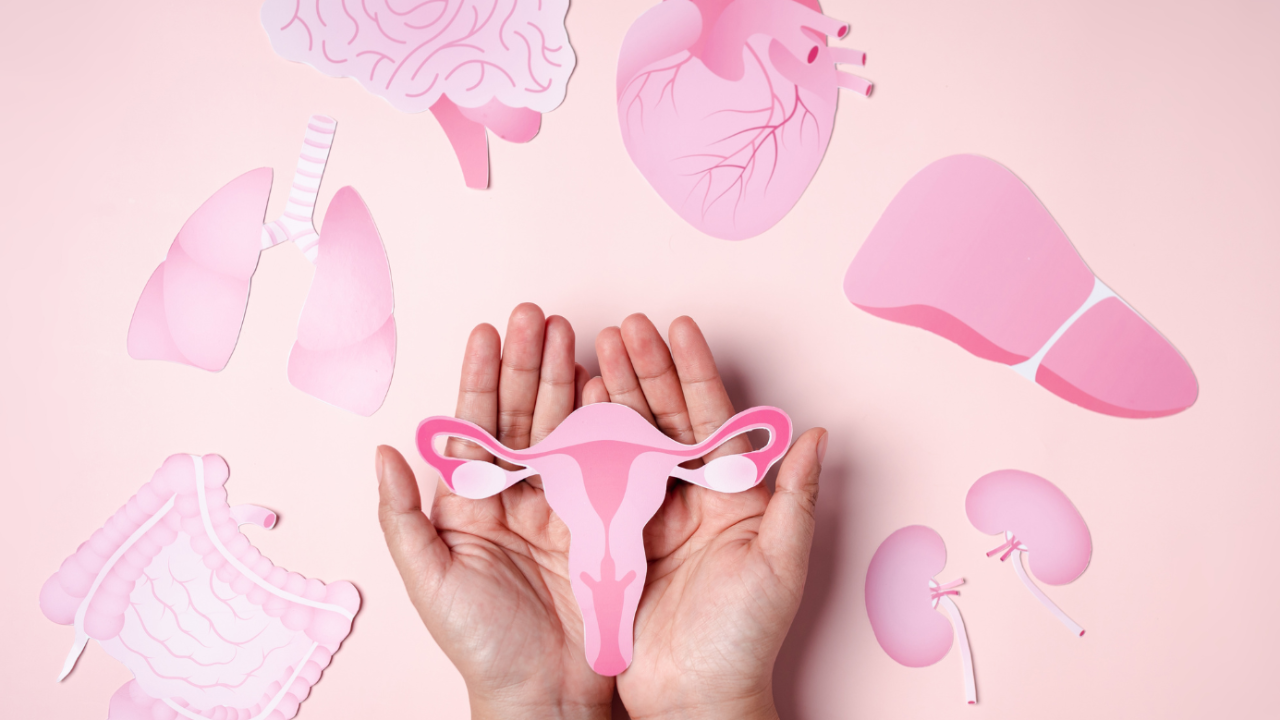
This is what we call the gut-hormone connection: a communication network between your liver, gut bacteria, and hormone signalling pathways. Together, these systems influence how much oestrogen remains active in your body, while also affecting metabolic hormones involved in appetite, weight, and energy: just another reason why supporting your gut health is incredibly important during perimenopause & menopause.
The Gut & Oestrogen Recycling System
After oestrogen has done its job, it travels to the liver where it’s prepared for removal. You can think of this like a post office: where your liver is the post office and it packages oestrogen so it can be delivered to the gut.
Once this packaged oestrogen reaches the intestine, gut bacteria decide what happens next. Some microbes produce enzymes that act like scissors, cutting open the package and allowing oestrogen to be reabsorbed back into circulation instead of being excreted. This recycling process, known as enterohepatic circulation, helps regulate circulating oestrogen levels.
During perimenopause, when oestrogen production becomes more variable, this recycling system becomes even more important for stabilising hormone levels.
Meet the Estrobolome
The collection of gut bacteria responsible for metabolising oestrogen is called the estrobolome. These microbes produce enzymes, particularly beta-glucuronidase, which determine whether oestrogen is eliminated or reactivated.
A diverse gut microbiome supports more efficient oestrogen recycling. When microbial diversity declines (which naturally occurs during perimenopause) this process can become less balanced. The result? Greater fluctuations in oestrogen, which may contribute to common perimenopause symptoms such as hot flushes, mood swings, irregular cycles, and changes in weight.
A Two-Way Conversation
The gut-hormone connection works both ways. Oestrogen influences which microbes thrive in the gut, and gut microbes in turn regulate oestrogen metabolism.
The gut also communicates with enteroendocrine cells, specialised cells in the intestinal lining that release hormones involved in appetite, energy balance, and glucose regulation. Microbial metabolites, like short-chain fatty acids, help control these gut hormones, which is why gut health can influence metabolism and body weight during perimenopause.
Broader Implications
Disruptions in the gut-oestrogen system have been linked to hormone-related conditions, including breast cancer, polycystic ovary syndrome (PCOS), and menopausal symptoms. Changes in gut microbial composition can also affect metabolic hormones involved in appetite, weight regulation, and insulin sensitivity.
This highlights why gut health isn’t just about digestion: it plays a role in hormone metabolism, recycling, and overall endocrine balance.
Supporting Your Gut-Hormone Connection
Keeping your gut healthy can help support oestrogen balance during perimenopause. Some main ways to do so to feed the microbes that help metabolise and recycle oestrogen include:
- Phytoestrogen-rich foods: Soy products (tofu, soy milk, miso) and flaxseeds contain isoflavones and lignans, which gut bacteria convert into active oestrogen-like metabolites like equol. These metabolites can influence oestrogen receptor activity, supporting more balanced oestrogen levels.
- Fermented foods: Traditionally fermented soy products and other fermented foods can enhance gut microbial diversity and may help improve oestrogen metabolism through the estrobolome.
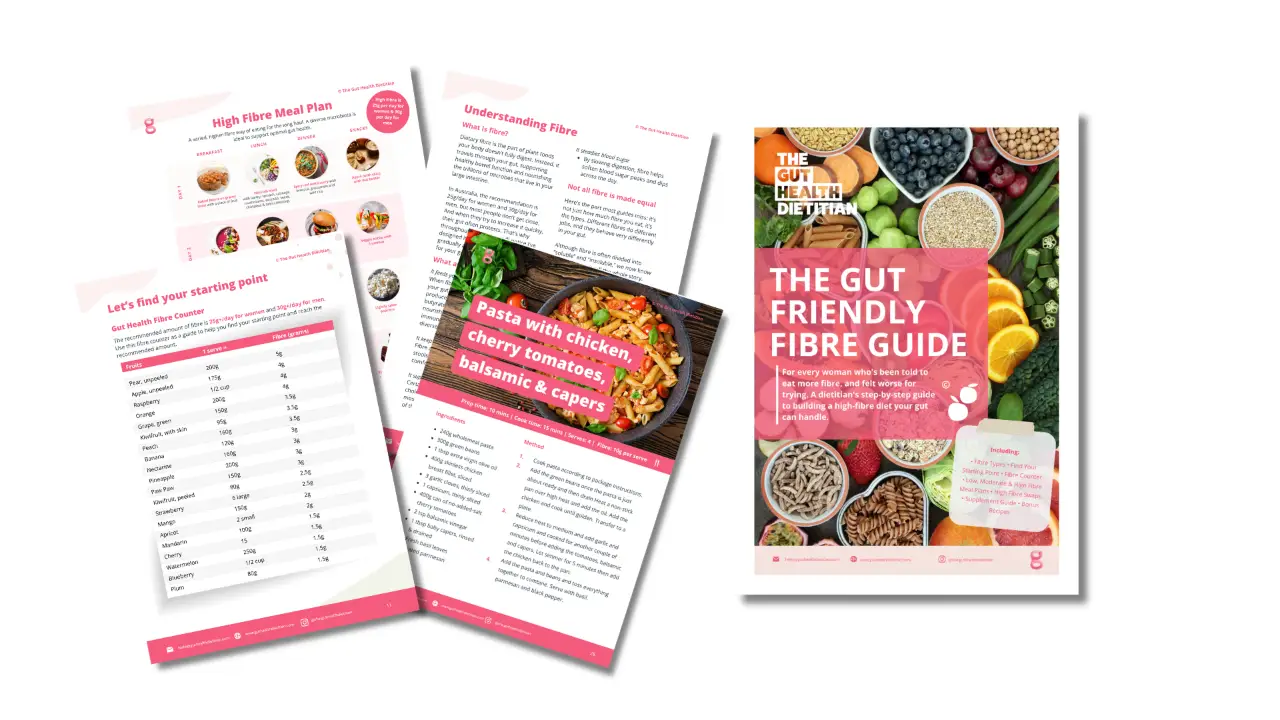
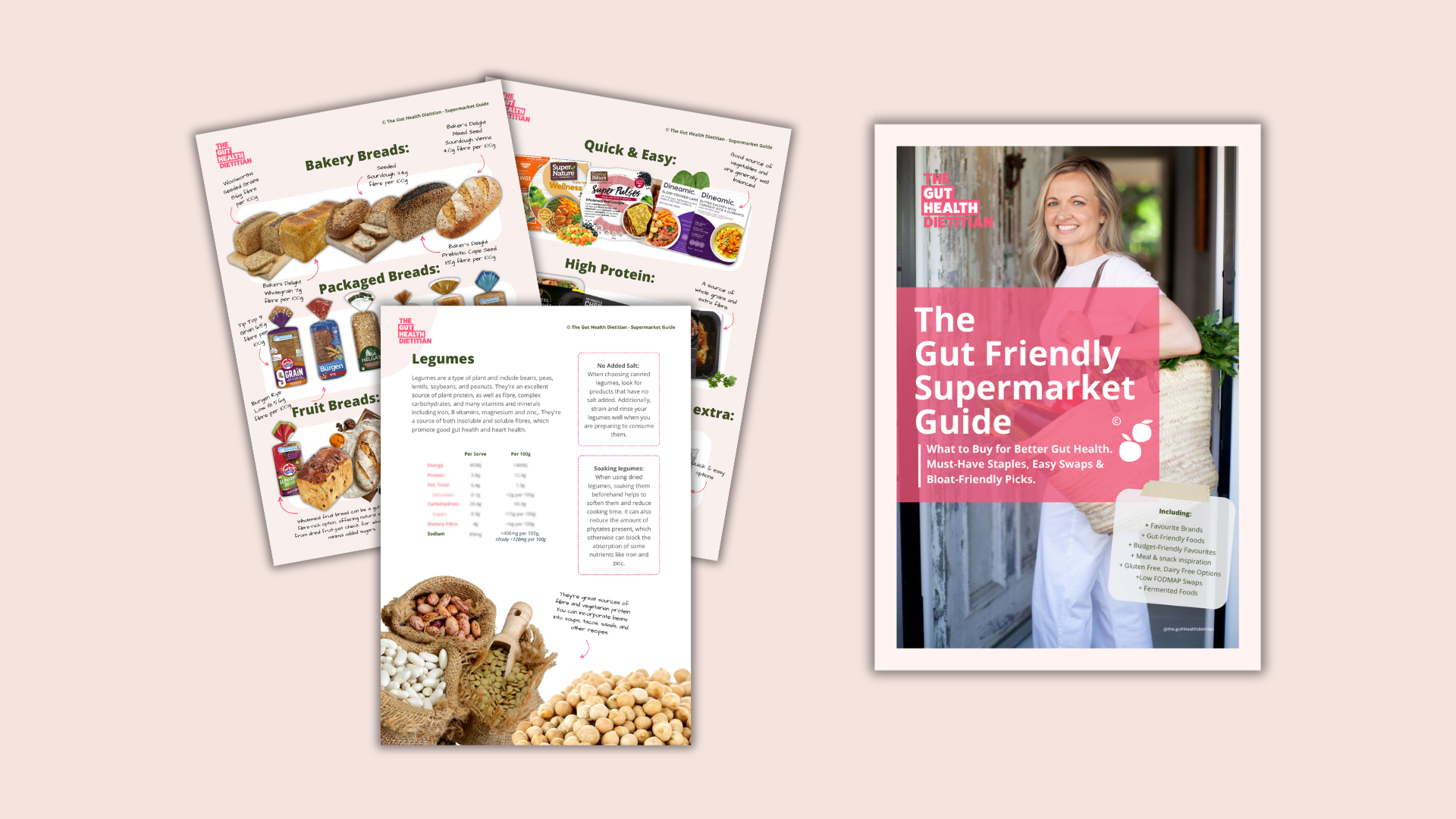
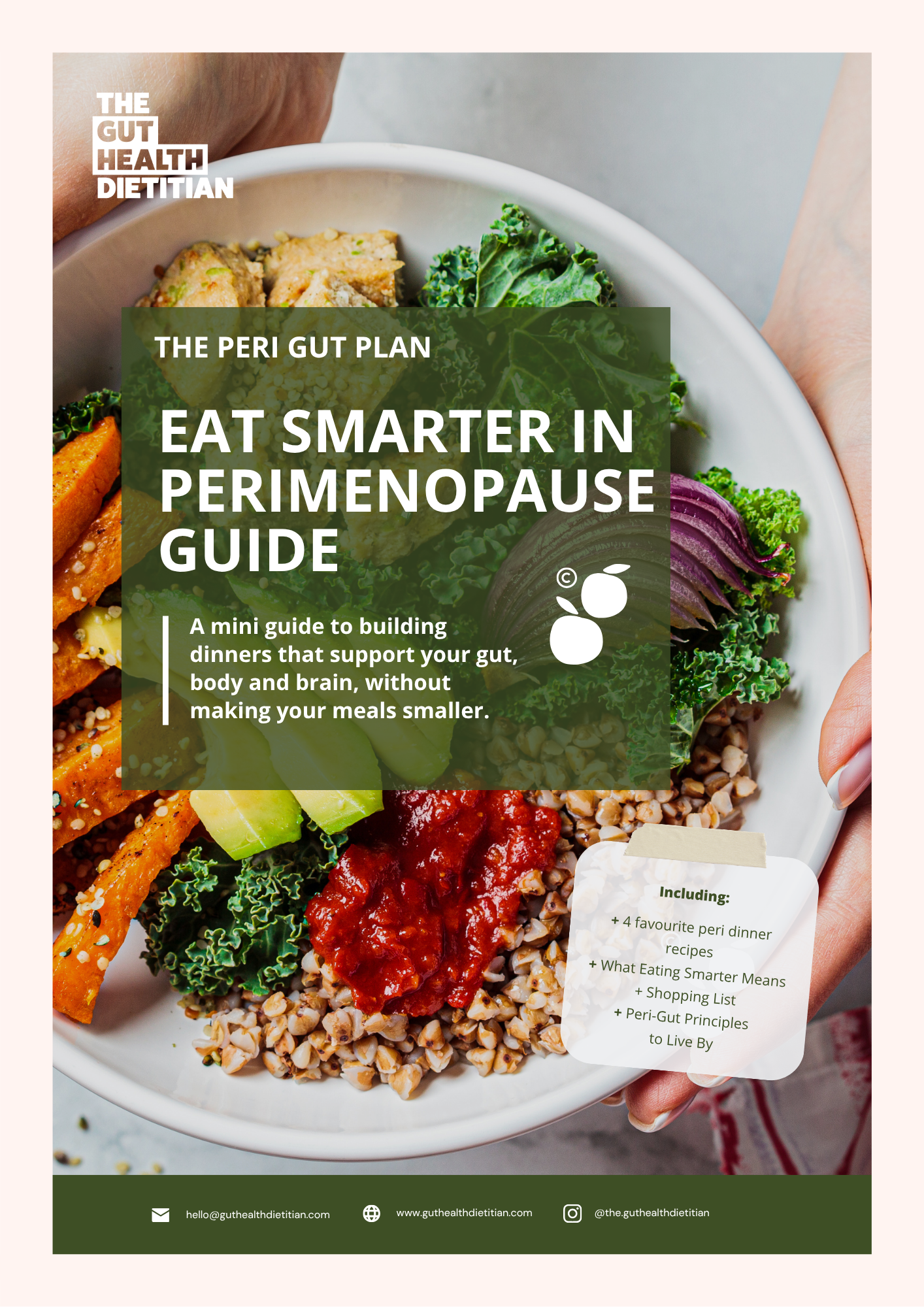
- Diverse plant-based foods: Cruciferous vegetables, nuts, seeds, legumes, and whole grains feed a broad range of gut microbes, helping maintain balanced oestrogen recycling and microbial diversity.
Even small changes can make a real difference in maintaining a healthy gut-hormone connection and supporting more stable oestrogen levels.
A Final Word
Oestrogen balance is shaped not only by how much is produced, but also by how it’s metabolised and recycled. The gut microbiome, particularly the estrobolome, plays a key role in this process, while also influencing metabolic hormones that regulate appetite, energy, and weight.
During perimenopause, when hormone levels naturally fluctuate, supporting a diverse and healthy gut microbiome may help support overall hormonal wellbeing.