Can Your Diet Influence When Menopause Starts: and Protect Your Brain?
Most women don’t expect their everyday food choices to have anything to do with when menopause begins. But emerging research suggests that what you eat in your 30s and 40s may do more than influence your energy or digestion, it may shape your hormonal timeline and your future brain health.
A large UK study found that women with higher intakes of refined carbohydrates (like white bread, white pasta, and sugary foods) tended to experience menopause earlier. In contrast, those who regularly consumed legumes and oily fish were more likely to reach menopause later, in some cases by several years.
Why Menopause Timing Matters for Your Brain
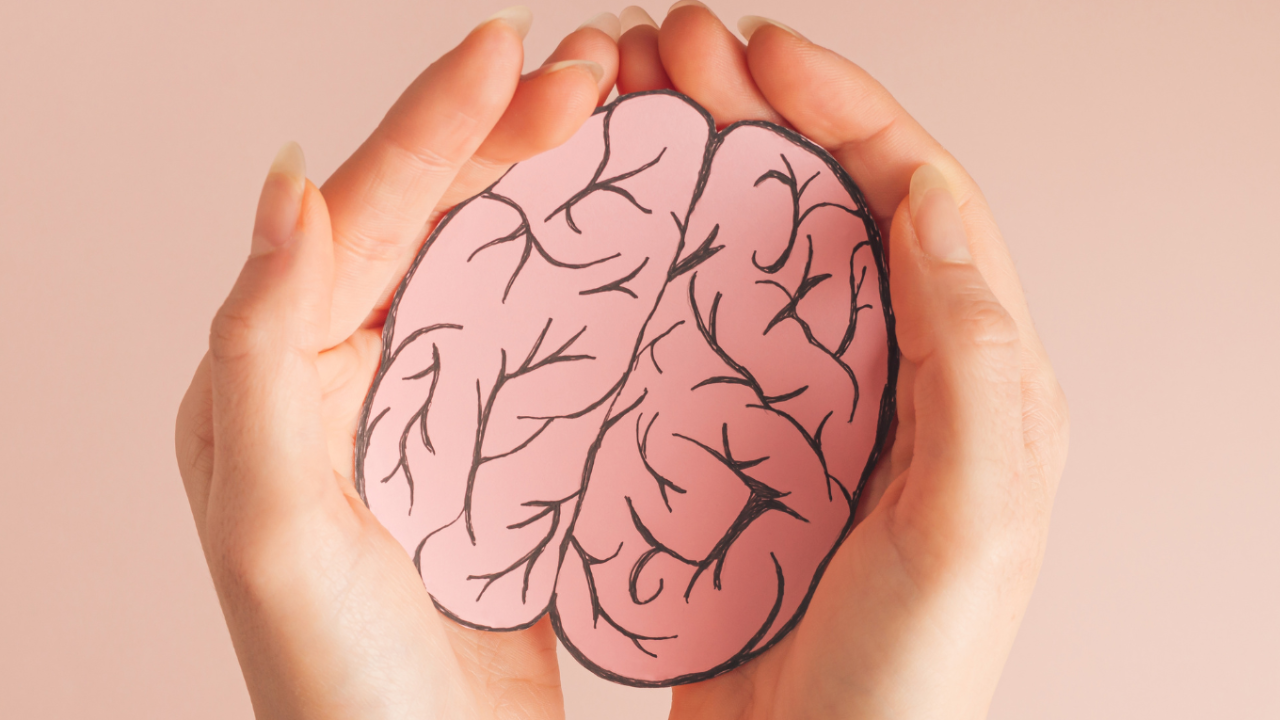
Oestrogen isn’t just a reproductive hormone, it actually plays a key role in brain health too. It supports mood, memory, blood flow, and communication between brain cells.
So, the longer your body naturally produces oestrogen, the more support your brain receives over time.
Earlier menopause means a shorter window of this protection, and research has linked it with a higher risk of cognitive decline and dementia later in life. While we can’t control everything that influences menopause timing, nutrition is one factor that may help tilt the odds in your favour.
Your Gut: The Link Between Food and Brain Protection
The connection between diet and brain health largely comes down to the gut-brain axis, the constant communication between your gut and your brain.
Your gut bacteria help break down food into compounds that influence inflammation, immunity, and even brain signalling. When your gut is well-supported, it produces beneficial substances like short-chain fatty acids, which help calm inflammation and protect the blood-brain barrier.
On the flip side, diets high in ultra-processed and refined foods can disrupt this balance. Over time, this can lead to increased inflammation, one of the key drivers of both gut symptoms and brain ageing.
This is why prevention isn’t about a single nutrient or supplement. It’s about consistently creating an internal environment that supports both gut and brain health.
The Foods That Help Protect Your Brain
From a preventative health perspective, certain foods stand out because they actively support both the gut microbiome and brain function.
Polyphenol-rich foods are key. Found in foods like berries, extra virgin olive oil, tea, coffee, and dark chocolate, these natural compounds work with your gut bacteria to produce anti-inflammatory and antioxidant effects. These effects extend beyond the gut, helping to protect brain cells from damage over time.
Berries are one of the most well-researched foods for brain health. Their flavonoids have been linked with better memory and slower cognitive decline, making them an easy and powerful addition to your routine.
Walnuts offer a unique combination of polyphenols and plant-based omega-3 fats. Together, these nutrients help reduce oxidative stress and support overall brain function.
Fatty fish, such as salmon, sardines and mackerel, provide essential omega-3 fatty acids (EPA and DHA), which are critical for maintaining brain structure and reducing inflammation. Interestingly, these same foods have also been linked to later menopause timing, reinforcing their role in long-term protection.
And then there are legumes, like lentils, chickpeas, and beans. They feed beneficial gut bacteria, support stable blood sugar levels, and, according to research, may also contribute to a later onset of menopause.
Stress Is Part of the Prevention Picture Too
While nutrition plays a central role, it's also important that we consider stress levels.
Chronic stress can disrupt the gut microbiome, increase inflammation, and affect how the brain functions over time. This happens through the body’s stress response system, which is closely connected to the gut.
From a prevention perspective, managing stress is another way to support brain health. Regular movement, good sleep, and simple daily habits like walking, stretching, or taking a few minutes to slow your breathing can all help regulate this system.
What This Can Look Like
Protecting your brain doesn’t require a perfect diet: but it does come down to consistent patterns.
It might look like adding berries to your breakfast, including legumes in a few meals each week, choosing healthy fats like olive oil and nuts, and prioritising omega-3-rich foods like fish.
At the same time, reducing reliance on refined and ultra-processed foods helps lower inflammation and supports a healthier gut environment.
These small, repeatable choices are what shape your long-term health.
A Final Word
Dementia prevention doesn’t start later in life, it actually starts in midlife. The same dietary patterns linked with earlier menopause (high in refined carbohydrates and low in whole, plant-based foods) are also those that promote inflammation and poorer brain health.
On the other hand, a diet rich in polyphenols, healthy fats, and fibre helps support the gut, extend the brain’s protective window, and reduce long-term risk.
You don’t need to overhaul everything overnight. But what you consistently put on your plate now is an investment in how your brain will function in the years to come.
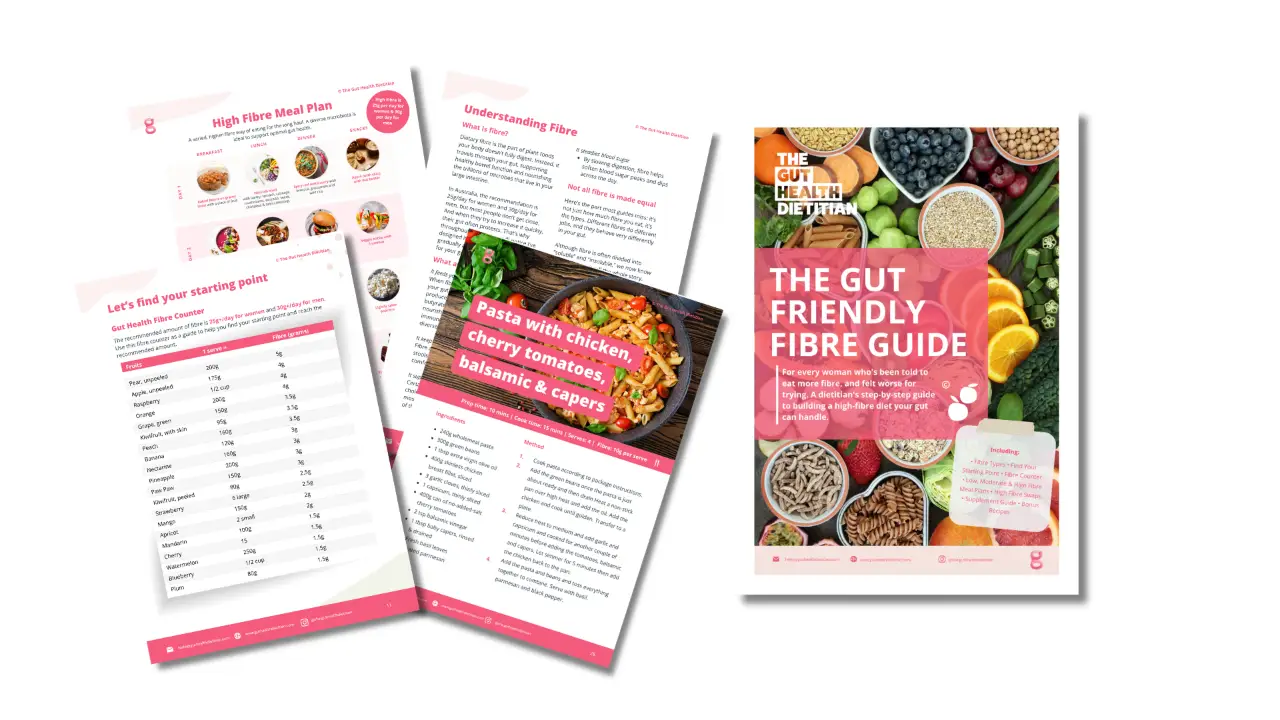
THE GUT FRIENDLY FIBRE GUIDE
An evidence-based guide for women to eat more fibre without making their gut feel worse
If eating more fibre has ever left you feeling worse, fibre probably wasn’t the problem. More likely, your gut just needed you to go slower.
This guide is based on the approach I use with women who want to eat more fibre without making their gut feel worse. We start with where you are now, then build from there slowly enough that your gut can keep up.
It’s food-first, weight-neutral and evidence-based, created by me and my team of Accredited Practising Dietitians.