Fibremaxxing: A Dietitian’s Take on the High-Fibre Trend
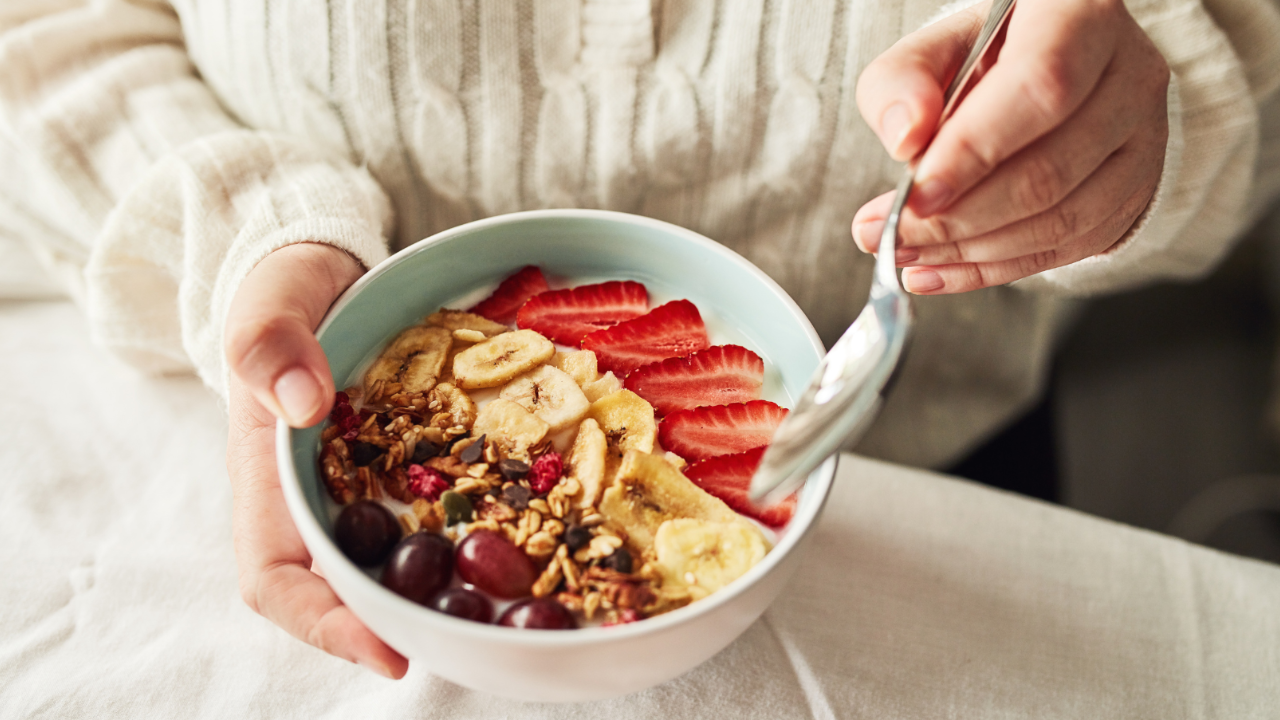
“Fibremaxxing” is one of the latest wellness trends all over social media right now, with people trying to maximise their fibre intake for better gut health, fullness, blood sugar balance and digestion.“And for the most part, it is a trend worth paying attention to.
Most people are not eating enough fibre, and increasing fibre intake can be incredibly beneficial for bowel regularity, supporting the gut microbiome and helping meals feel more satisfying. In fact, fewer than 20% of Australian adults are estimated to meet the recommended daily fibre intake.
But there is one important thing missing from a lot of the conversation online: Increasing fibre too quickly is often exactly what causes the bloating, discomfort and digestive chaos people are trying to avoid.
Yes, Fibre Is Important
Fibre plays a huge role in gut health. It helps feed beneficial gut bacteria, supports bowel regularity and can help with fullness and energy levels across the day. Higher fibre diets are also linked with better long-term digestive and metabolic health.
For years, wellness culture heavily glamorised low-carb and keto-style eating patterns, where meals were often built almost entirely around protein and fat while fibre-rich foods like grains, legumes and fruit were pushed aside.
Now, the conversation is shifting back towards something the gut has been asking for all along: more plants, more variety and more fibre.
For most adults, aiming for around 25-30 grams of fibre per day is a good target. But fibremaxxing is not about cramming as much fibre into your meals as possible overnight. Different fibres feed different gut bacteria, which means variety matters just as much as quantity.
So if you are trying to increase your fibre intake: that is great. The key is simply how you do it.
It Is Not Just About What You Remove: It Is About What You Add
A lot of nutrition advice focuses on what to cut out. Fibremaxxing flips that conversation and encourages people to think about what may be missing from meals.
For example, having two eggs for breakfast may give you protein, but it contains virtually no fibre. Compare that to eggs on wholegrain toast with avocado and berries on the side: suddenly the meal becomes much more supportive for gut health, fullness and overall nutrition.
Rather than trying to overhaul your entire diet, sometimes the biggest difference comes from simply adding fibre where it naturally fits.
The Smarter Way to Fibre Max
Instead of completely overhauling your diet overnight, think about adding small “fibre boosters” into meals you already enjoy. That might look like:
- adding berries or chia seeds to breakfast
- choosing wholegrain bread over white where possible
- mixing lentils into pasta sauces, soups or curries
- adding hummus, edamame or fruit into snacks
- including more plant variety across the week
These changes may seem small, but they add up over time and are often much easier for the gut to tolerate than suddenly trying to eat perfectly.
Easy Ways to Add More Fibre
If you are unsure where to start, here are a few easy fibre boosters and approximately how much fibre they provide:
- 1 tablespoon of chia seeds adds around 5g of fibre
- ½ cup raspberries provides roughly 4g
- 1 kiwi fruit contains around 2g
- ½ an avocado adds close to 5g
- 2 slices of wholegrain bread can provide around 5-7g
- ½ cup chickpeas contains roughly 6g
- ½ cup lentils provides around 7-8g
- ⅓ cup oats adds about 4g
- A small handful of almonds (30g) contains roughly 3g of fibre
You do not need to include all of these at once. Even adding one or two fibre-rich foods across the day can make a meaningful difference over time.
More Is Not Always Better
While increasing fibre intake is beneficial for most people, more is not always better, especially for sensitive guts.
Rapid increases in fibre, particularly from processed “high fibre” snack foods and protein bars, can worsen bloating, gas and digestive discomfort for some people.
This is especially important for people with IBS or underlying digestive issues, where certain fibres may be better tolerated than others.
Fibremaxxing should be gradual, personalised and built around whole food sources where possible. Drinking enough fluids is also essential, as fibre and hydration work together to support digestion and bowel regularity.
A Final Word
Fibremaxxing does not need to mean giant salads, bran cereal at every meal or trying to force yourself into eating perfectly. For most people, the best approach is:
- increasing fibre gradually
- aiming for more plant variety
- building balanced meals
- focusing on whole food sources
- paying attention to your own tolerance
Because ultimately, gut health should help you feel better, not uncomfortable after every meal!
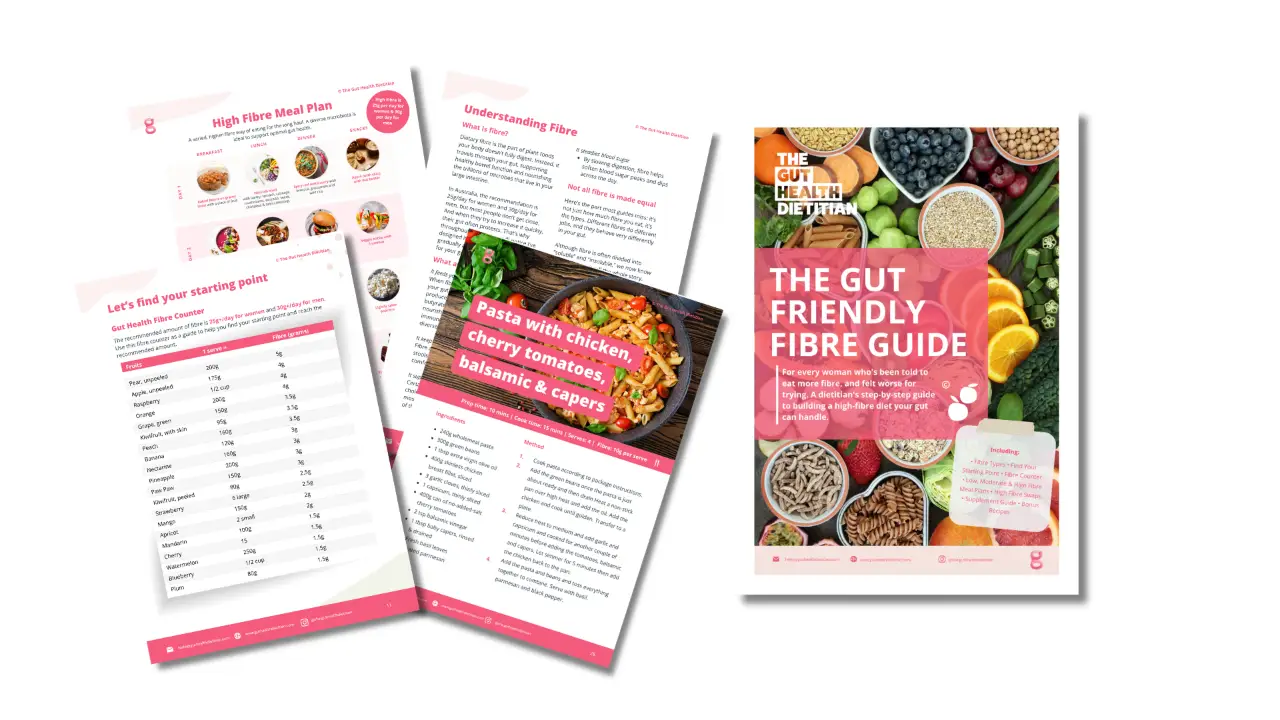
THE GUT FRIENDLY FIBRE GUIDE
An evidence-based guide for women to eat more fibre without making their gut feel worse
If eating more fibre has ever left you feeling worse, fibre probably wasn’t the problem. More likely, your gut just needed you to go slower.
This guide is based on the approach I use with women who want to eat more fibre without making their gut feel worse. We start with where you are now, then build from there slowly enough that your gut can keep up.
It’s food-first, weight-neutral and evidence-based, created by me and my team of Accredited Practising Dietitians.