What is Bile Acid Malabsorption?
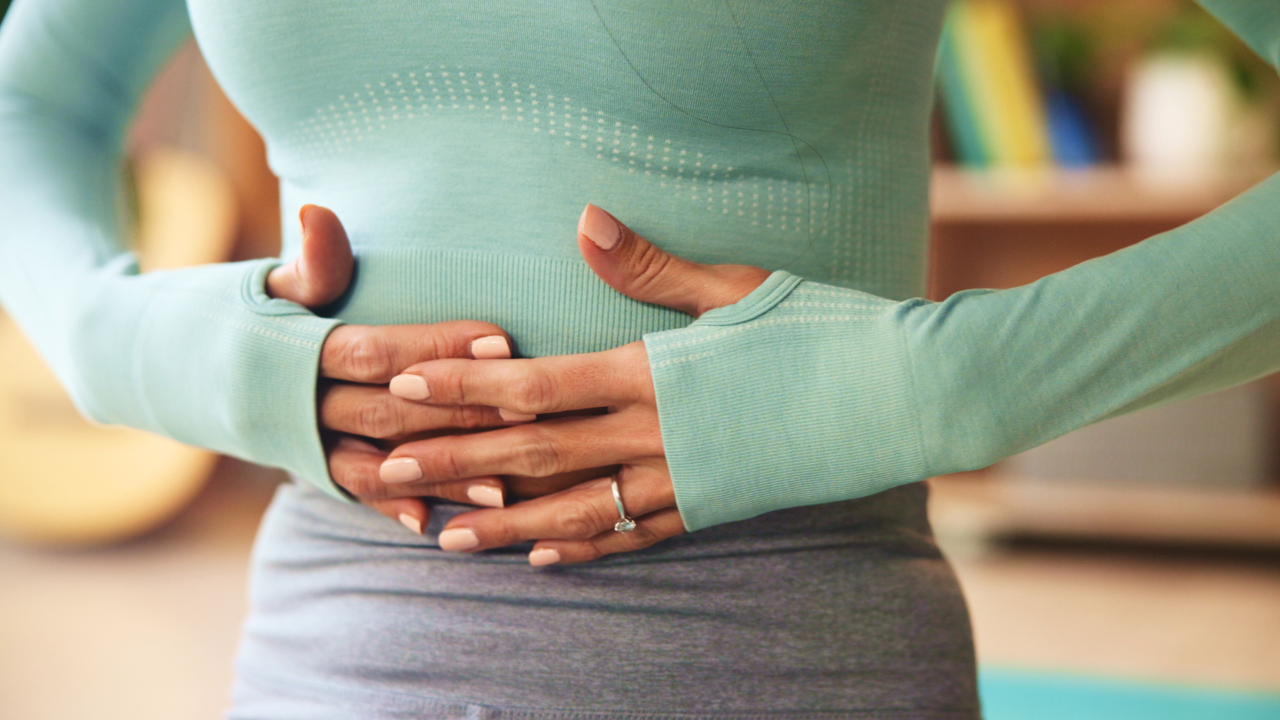
Do your gut symptoms seem to flare after eating higher-fat foods?
If diarrhoea, urgency or bloating tend to strike after meals like pizza, takeaway or creamy pasta, your symptoms might not be "just IBS."
You've cut out onion. You've said goodbye to garlic. You've diligently followed the low FODMAP diet... but you're still dealing with frequent diarrhoea, urgency and bloating.
While the low FODMAP diet can be highly effective for many people with Irritable Bowel Syndrome (IBS), it's not the answer for everyone. In fact, research suggests that around one-third of people diagnosed with diarrhoea-predominant IBS (IBS-D) may actually have bile acid malabsorption (BAM), also known as bile acid diarrhoea (BAD).
If your symptoms haven't improved despite doing "everything right", it may be time to look beyond FODMAPs.
To understand why fat can trigger these symptoms, it helps to first understand the role of bile.
First things first... what is bile?
Bile is a digestive fluid produced by your liver. It contains bile salts (or bile acids), which have one important job: helping you digest and absorb fats, as well as fat-soluble vitamins like vitamins A, D, E and K.
Think of bile salts as natural detergents: they break large fat droplets into tiny particles so your digestive enzymes can do their job.
So what does the gallbladder do?
Your gallbladder doesn't actually make bile, it stores and concentrates it.
When you eat a meal (particularly one containing fat), your gallbladder contracts and releases bile into your small intestine to help with digestion.
Once bile has done its job, around 95-97% is normally reabsorbed in the last part of the small intestine (the terminal ileum) and recycled back to the liver. It's an incredibly efficient system.
Why does bile acid malabsorption cause diarrhoea?
Despite the name, not everyone with bile acid diarrhoea has a true "malabsorption" problem. In some people, the body simply produces too many bile acids, which overwhelm the normal recycling process. Either way, excess bile acids reach the colon and trigger symptoms.
Instead of being reabsorbed, excess bile acids spill into the large intestine (colon), where they:
- Draw water into the bowel
- Stimulate bowel contractions
- Irritate the lining of the colon
The result?
- Frequent or urgent diarrhoea
- Loose or watery stools
- Bloating
- Excess wind
- Cramping
- Sometimes yellow or orange stools
These symptoms often occur soon after eating, particularly after higher-fat meals. Because they overlap with IBS, many people are misdiagnosed for years before receiving the correct diagnosis.Bile acid diarrhoea commonly develops after gallbladder removal (cholecystectomy).
Unlike IBS, the symptoms aren't being driven by poorly absorbed carbohydrates. Instead, they're caused by excess bile acids reaching the large bowel, which is why a low FODMAP diet may provide little or no relief.
Who is at higher risk?
Bile acid malabsorption is more common than many people realise, and certain groups are at a higher risk of developing it.
After gallbladder removal
One of the most common situations where bile acid diarrhoea develops is after gallbladder surgery (cholecystectomy).
Your gallbladder normally stores and concentrates bile, releasing it when you eat a meal containing fat. Without a gallbladder, bile continuously trickles into the small intestine rather than being released in larger amounts at mealtimes. For some people, this means excess bile acids reach the large bowel, leading to ongoing diarrhoea and urgency.
While not everyone develops symptoms after gallbladder removal, it's an important and often overlooked cause of chronic diarrhoea.
Other risk factors include:
- Crohn's disease affecting the terminal ileum (the last part of the small intestine)
- Surgery involving the end of the small intestine or previous bowel resection
- Chronic pancreatitis
- Previous treatment for cancer involving the bowel
- No obvious underlying cause (known as primary bile acid diarrhoea), which can occur in people who are otherwise healthy
Could bile acid malabsorption be causing your symptoms?
It's worth discussing bile acid malabsorption with your GP or gastroenterologist if you have:
- Ongoing diarrhoea despite following a low FODMAP diet
- Symptoms that began after gallbladder removal
- Frequent urgency, particularly after eating
- Symptoms that worsen after high-fat meals, when more bile is released to digest fat
- Loose stools several times a day
- Pale, yellow, green or orange stools that may be greasy, oily or difficult to flush
- IBS treatments that haven't made much difference
How is it diagnosed?
Diagnosis varies depending on where you live.
In some countries, a specialised test called a SeHCAT scan is considered the gold standard. Unfortunately, the SeHCAT scan isn't routinely available in Australia. Instead, diagnosis often relies on your symptoms, medical history, blood tests and, in some cases, a supervised trial of bile acid-binding medication.
Can diet help?
Yes, but usually not in the same way as IBS.
Before making significant dietary changes, it's important to speak with your GP or Accredited Practising Dietitian, as many different conditions can cause ongoing diarrhoea and similar gut symptoms.
Dietary strategies may help manage symptoms alongside medical treatment, and can include:
- Moderating (rather than eliminating) dietary fat
- Eating smaller, more regular meals
- Individualised dietary advice to ensure nutritional adequacy
Unlike IBS, the solution isn't necessarily removing more fermentable carbohydrates. That's why eliminating more foods often doesn't solve the problem. Restricting your diet further without understanding the underlying cause may simply add unnecessary food rules.
Many people with confirmed bile acid malabsorption also require prescription medications called bile acid sequestrants, which bind excess bile acids and reduce symptoms.
Because both the condition itself and long-term treatment may affect the absorption of fat-soluble vitamins (A, D, E and K), your healthcare team may recommend monitoring these over time.
Why is bile acid malabsorption often missed?
Many people are initially diagnosed with IBS because the symptoms overlap. Unfortunately, unless clinicians specifically consider bile acid diarrhoea, it can remain undiagnosed for years.
The good news? Once identified, it is often very treatable with the right combination of medication and dietary advice.
The bottom line
If you've completed a structured low FODMAP diet and are still struggling with diarrhoea, bloating or urgency, don't assume it's "just IBS."
Bile acid malabsorption is an under-recognised but treatable condition that deserves consideration, particularly if your symptoms started after gallbladder surgery or you have a history of bowel disease.
The right diagnosis can make a significant difference to both your symptoms and your quality of life.
If you're unsure what's driving your gut symptoms, working with an Accredited Practising Dietitian alongside your GP or gastroenterologist can help identify the underlying cause and develop a treatment plan that's right for you.
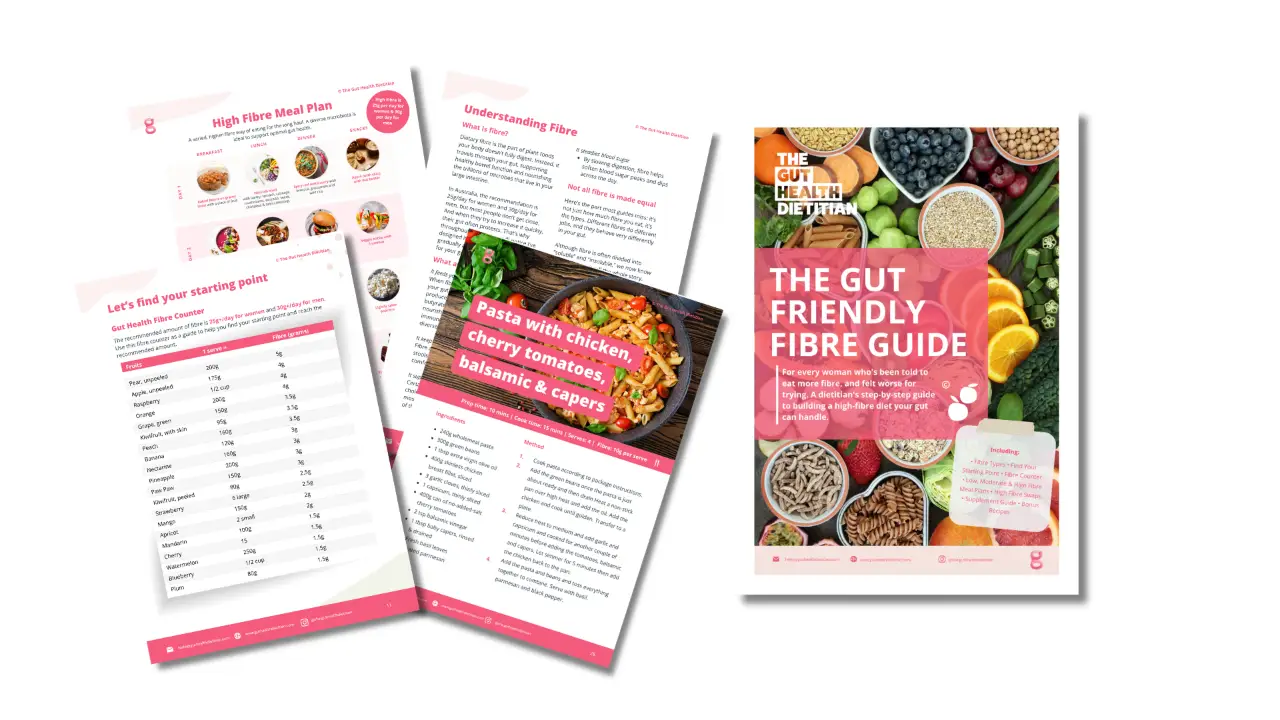
THE GUT FRIENDLY FIBRE GUIDE
An evidence-based guide for women to eat more fibre without making their gut feel worse
If eating more fibre has ever left you feeling worse, fibre probably wasn’t the problem. More likely, your gut just needed you to go slower.
This guide is based on the approach I use with women who want to eat more fibre without making their gut feel worse. We start with where you are now, then build from there slowly enough that your gut can keep up.
It’s food-first, weight-neutral and evidence-based, created by me and my team of Accredited Practising Dietitians.